email?
Making a zoo on a 6-acre green-field site in just 6 months from the submission of plans to first opening was a remarkable achievement. Mr James […]
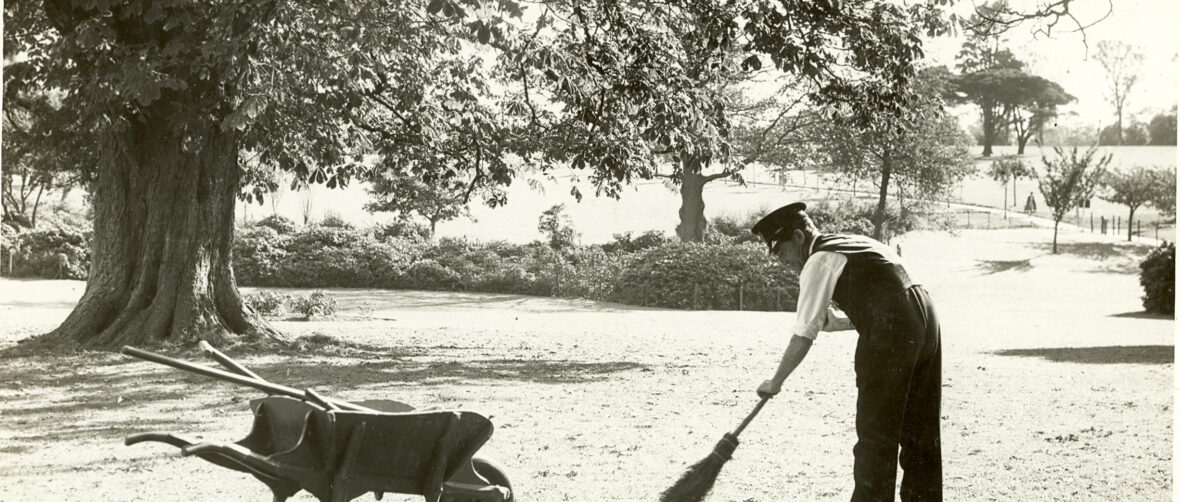
People’s enjoyment of the park depends on those working in it to keep it tidy and well-maintained, although much has changed since this picture of a […]
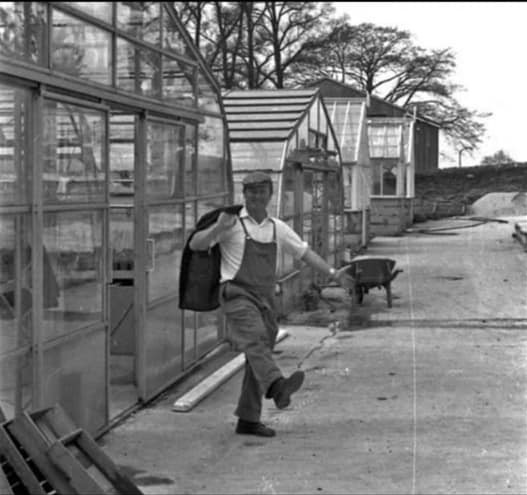
The 1931 plan for the park does not show a depot to support all the usual maintenance functions although Mawson’s earlier report confirms that one was […]
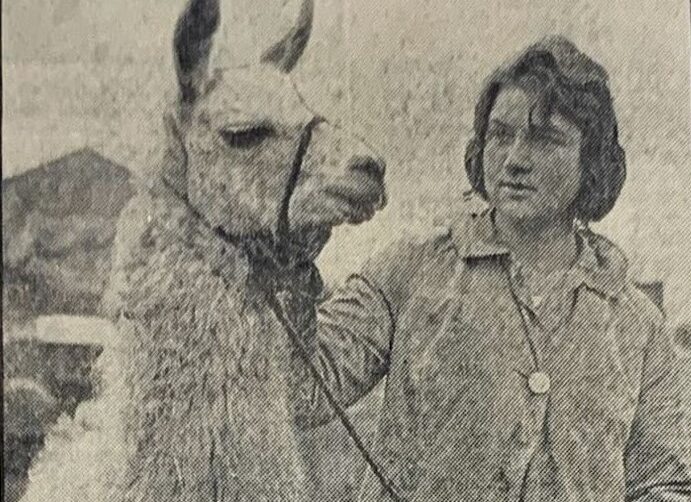
On Saturday, 2nd June 1951, the summer of the Festival of Britain, the Western Evening Herald reported a curious event in its regular column, “A Citizen’s […]
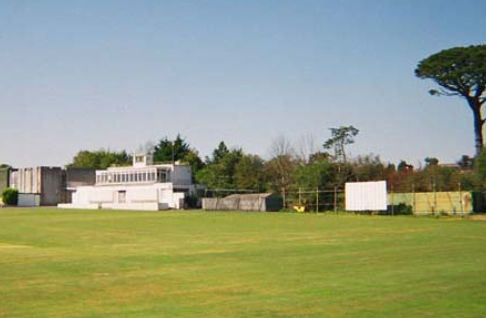
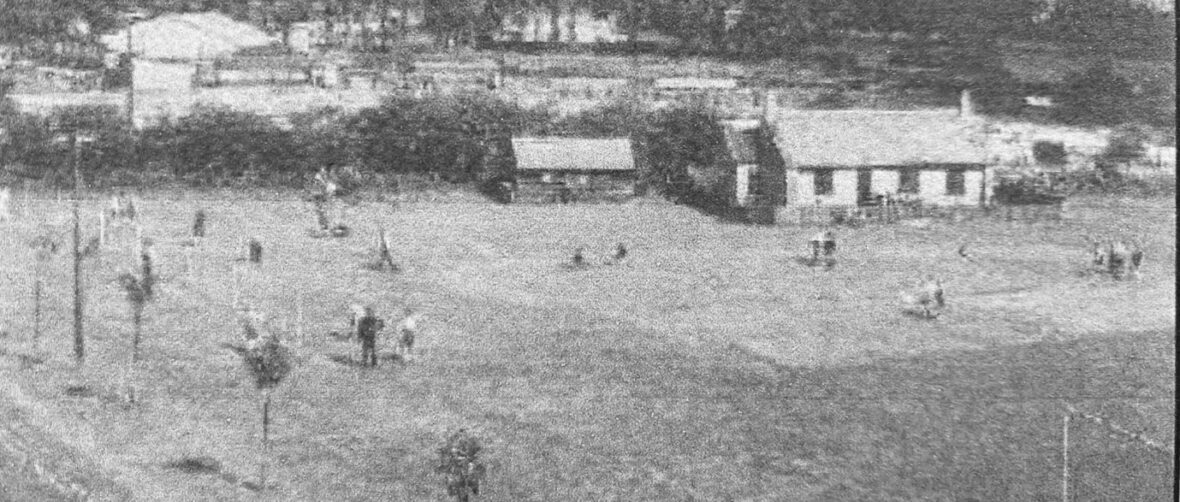
For the first twenty years of the park’s existence, its sports facilities were rudimentary with matches being played on heavy, uneven pitches and teams having nowhere […]
The semi-circular car park on Outland Road was part of the original Mawson design and constructed with the park between 1929 and 1931. A row of […]
The Milehouse Corner playground was a long way from residential areas around the northern, eastern and southern boundaries of the park and three more playgrounds were […]
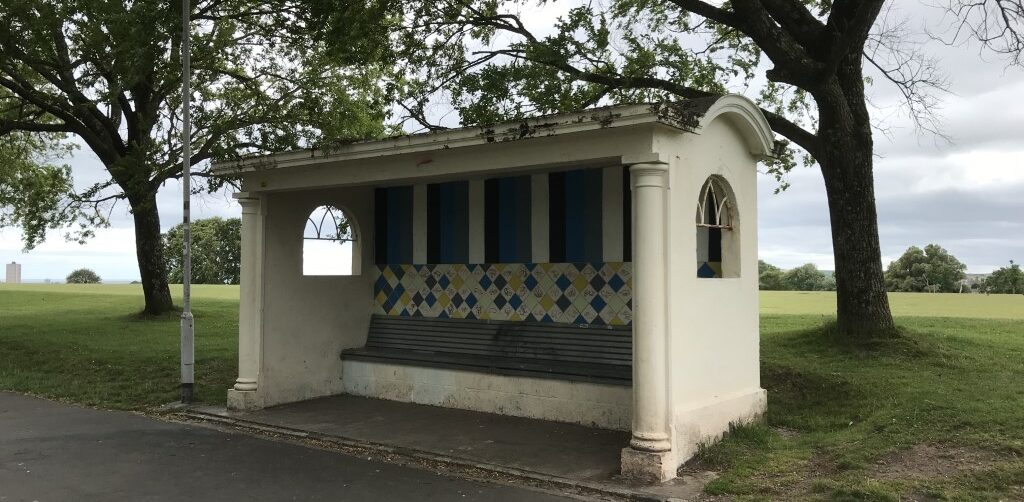
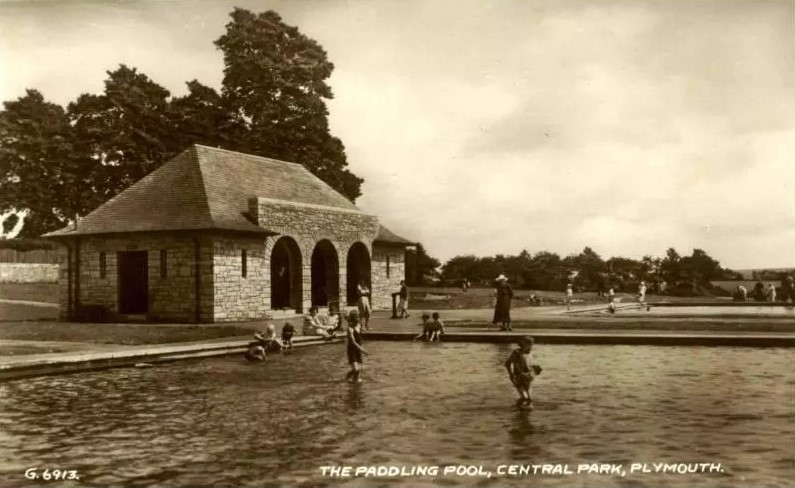
When the park opened in 1931, its only shelter was next to the paddling pools and playground near the main entrance at Milehouse. It was a […]
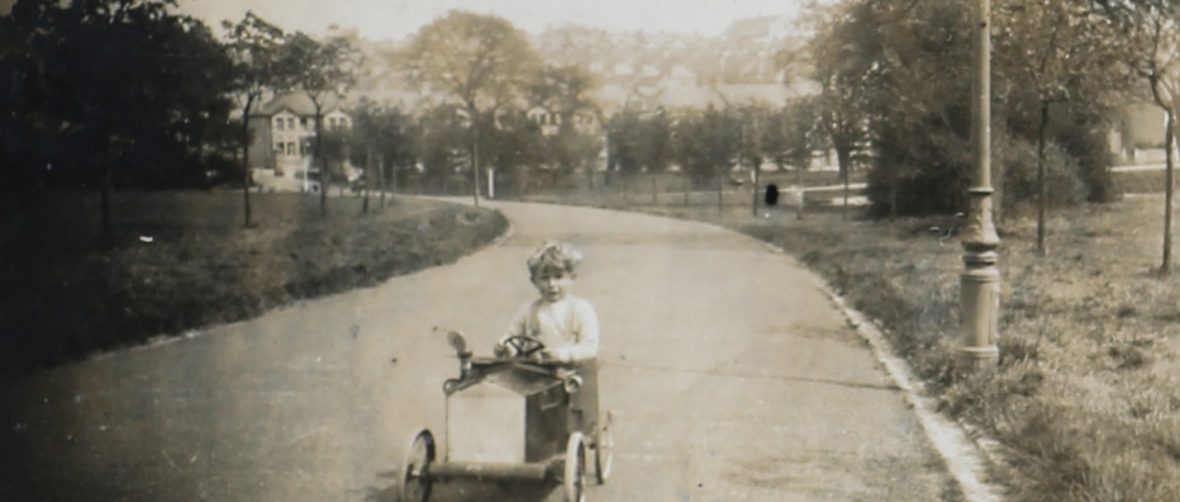
Tony Hooper’s father, Harry Hooper, had been an apprentice boatbuilder at Mashford Bros, Cremyll and, as well as making model boats, he made pedal cars for […]
The Western Evening Herald reported on 25th September 1947 that the Alma Road widening scheme had begun. The condition of this highway had been causing considerable criticism […]
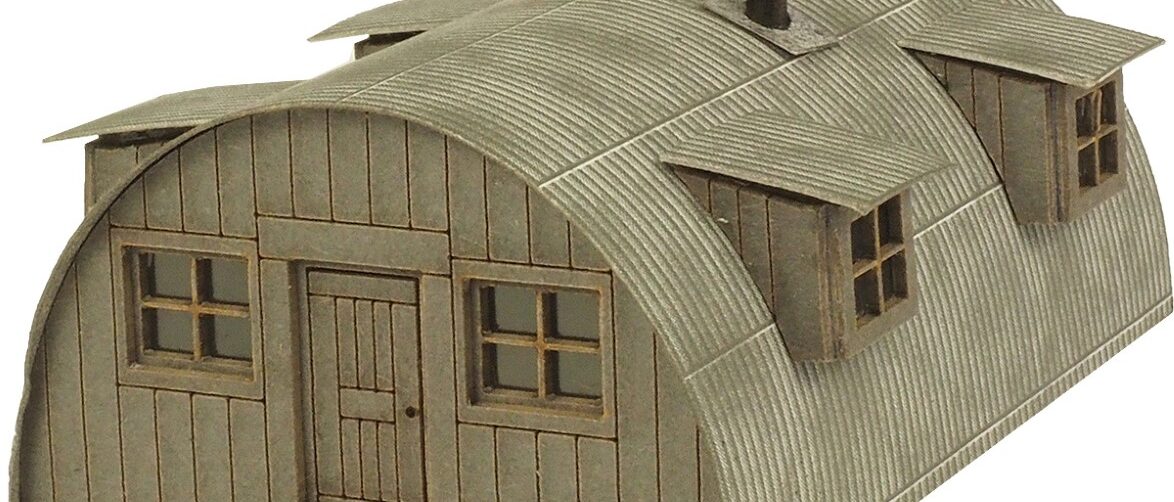
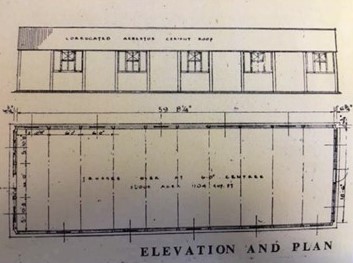
Over 156,000 temporary bungalows or “prefabs” (abbreviated from prefabricated buildings) were manufactured and erected across the UK between 1945 and 1948 to help with meeting the […]
In August 1946, a year after the end of the Second World War, a model enthusiast, George Archibald Dingle who lived at Kelly Bray near Callington, […]
In the photo below of a 1949 cycle race, the curved roof of a Nissen hut can be seen behind the crowds and to the left […]
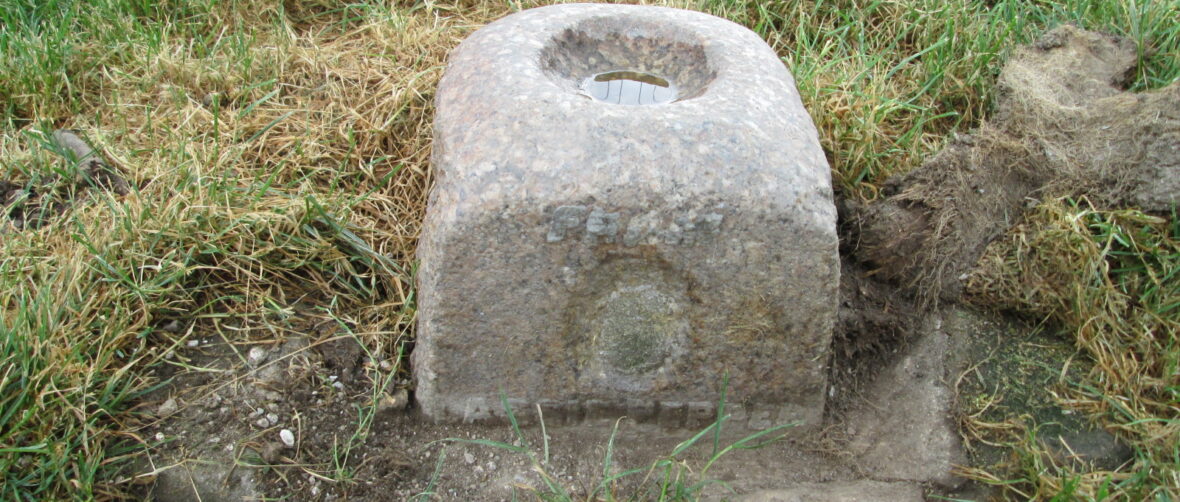
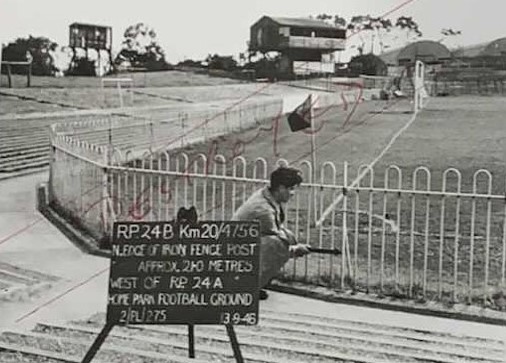
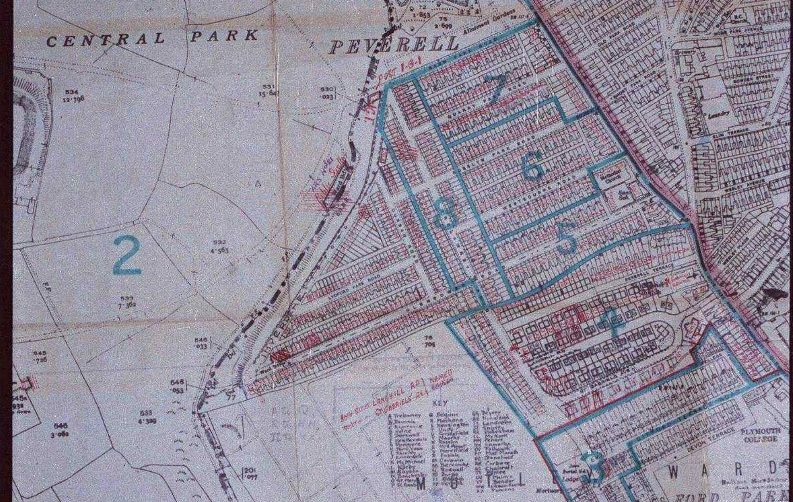
After the Second World War, there was a pressing need for new maps. Ordnance Survey (OS) surveyors used triangulation points in the country and revision points […]
Even before the Second World War had ended, the Western Morning News reported in August 1944 that the first massed-start scratch cycle race to be held […]
A 2003 English Heritage study records a Prisoner of War camp at Home Park, number 673, although the grid reference is almost certainly incorrect and the […]
In 1943, the US Navy established a forward operating base in Plymouth to support the ships that would take troops across the English Channel to fight […]
By 1942, the central cooking depots established at Torr House, Crownhill and Laira Schools had become very unsatisfactory, and an increasing number of meals were needed […]
There were at least four public air raid shelters built in the park to protect local residents from the Blitz. They were cut into the ground […]
The Town Clerk in 1940, Colin Campbell, had the added responsibility of being the Air Raid Precautions (ARP) controller. When bombed out of the municipal offices […]
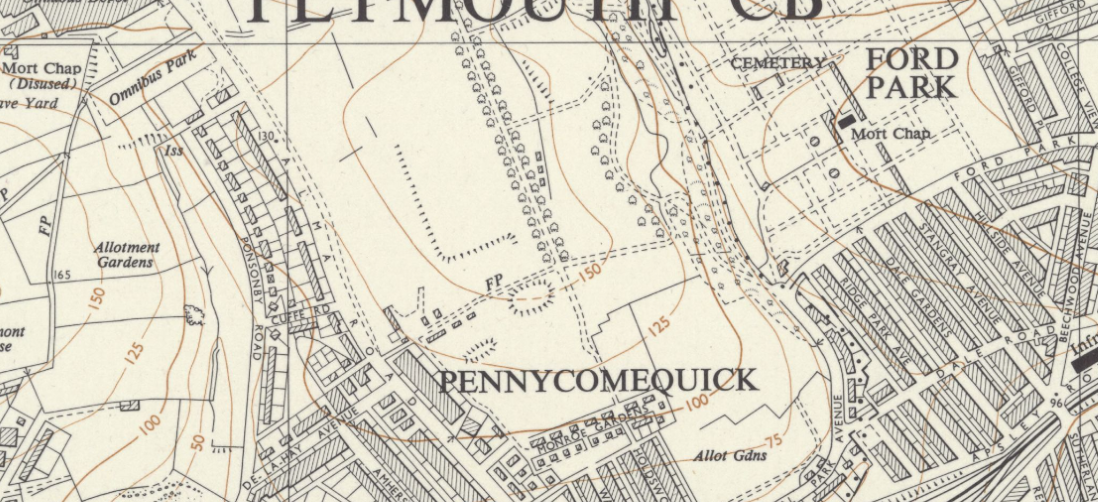
A hutted camp was established on the eastern side of Alma Road just to the north of Upper Knollys Terrace. The layout and shapes in this […]
Plymouth had many defences against enemy bombing and the threat of invasion. In Central Park, an anti-aircraft battery was situated where the sports plateau is today […]
The first cricket pavilion was a small wooden one costing £365. It was officially opened by the Deputy Lord Mayor, Walter Littlejohn, during the match against […]
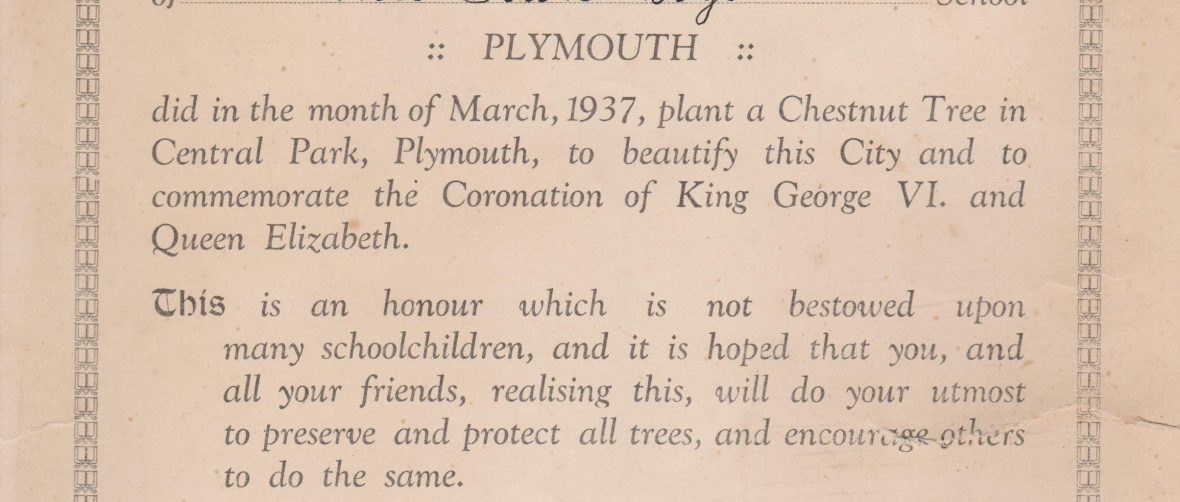
Coronation Avenue takes its name from the trees planted along it in 1937 to celebrate the coronation of King George VI. Children from schools across Plymouth […]
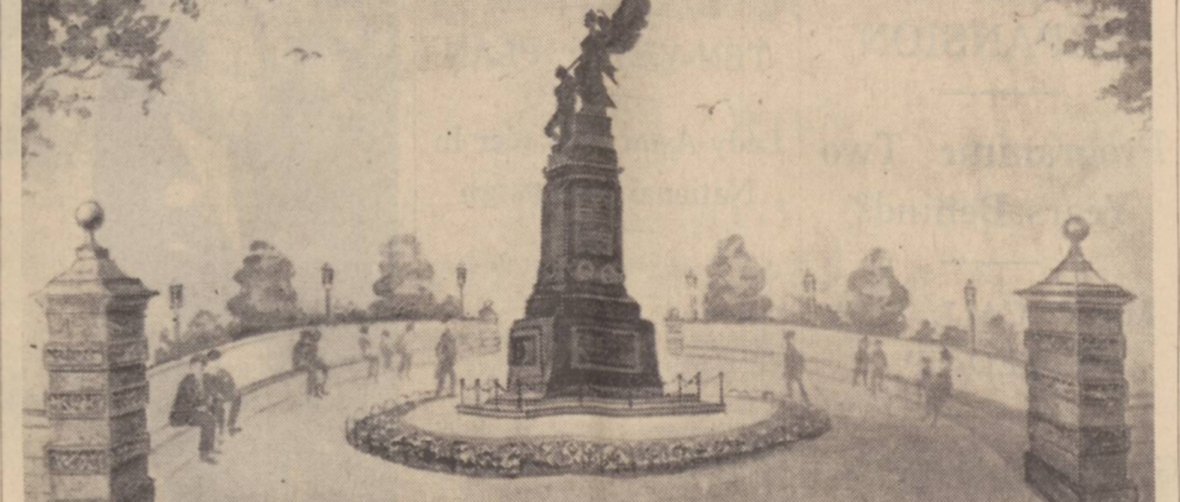
At the start of the Coronation year, 1937, two stone pillars at the entrance to Compton Park Villas Road (now Compton Avenue) became available, prompting a […]
There are many ways into Central Park but only six places where the entrances have been formalised with gate pillars. Five are still accessible and are […]
When Mawson designed the park in 1928, he made the following observations about the area’s water resources and how they could be used to provide amenity. […]
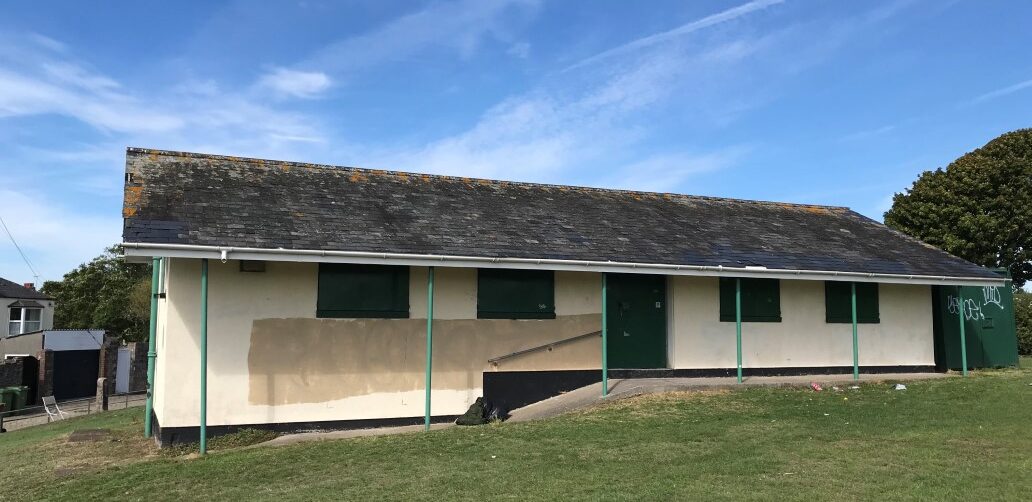
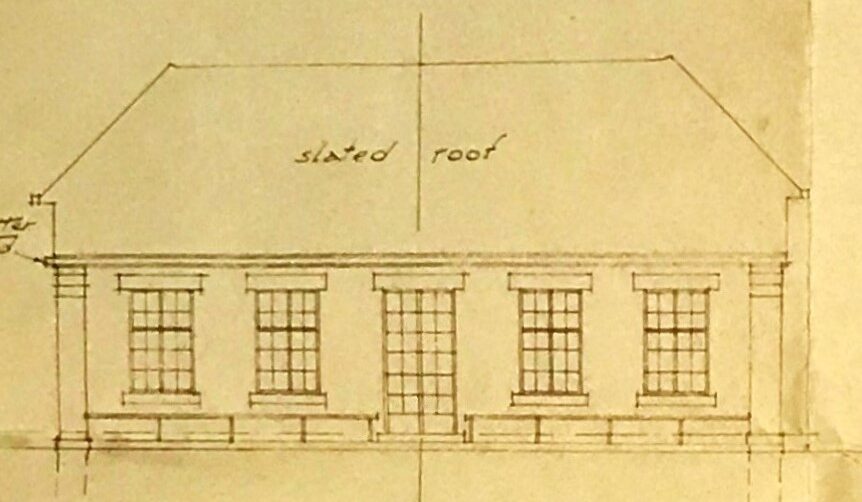
For four seasons after the first match in 1932, bowlers would not have had a pavilion in which to change or entertain visiting teams so the […]
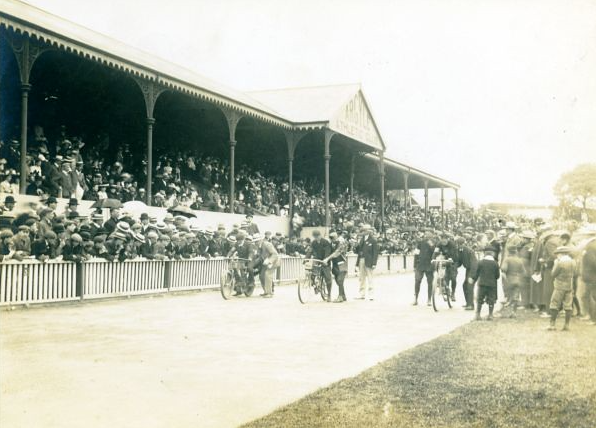
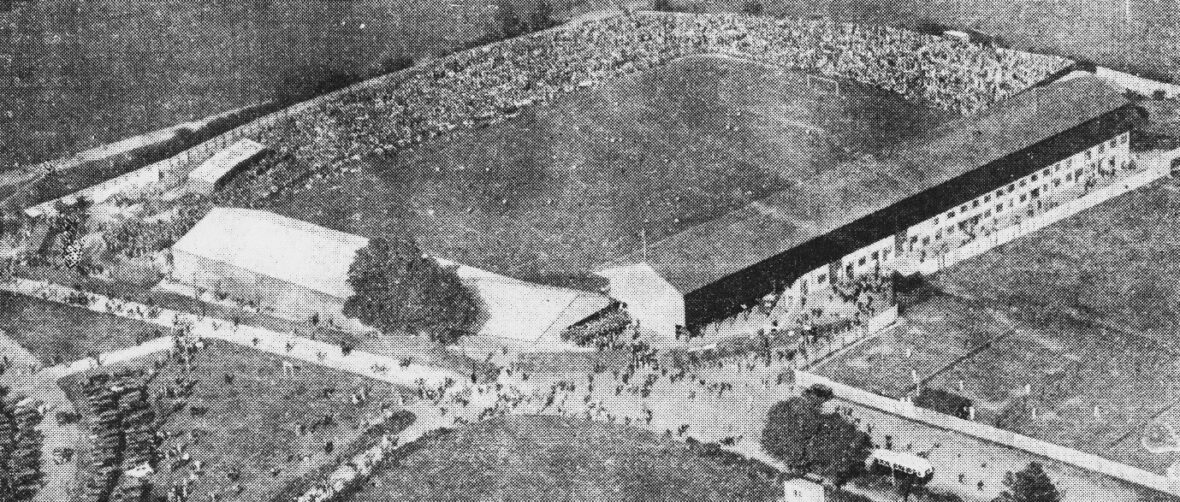
Motor cycle races were held in the Home Park stadium before 1930 when its oval banked track was replaced by terraces on a more rectangular plan. […]
Venn Lane crosses the Pounds Park area of Central Park between Outland Road opposite Devonport High School for Girls and Peverell Park Road at its junction […]
The opening programme in 1931 stated that two greens were being provided of special construction with sea-washed turf obtained from Lancashire. They were completed in 1932 […]
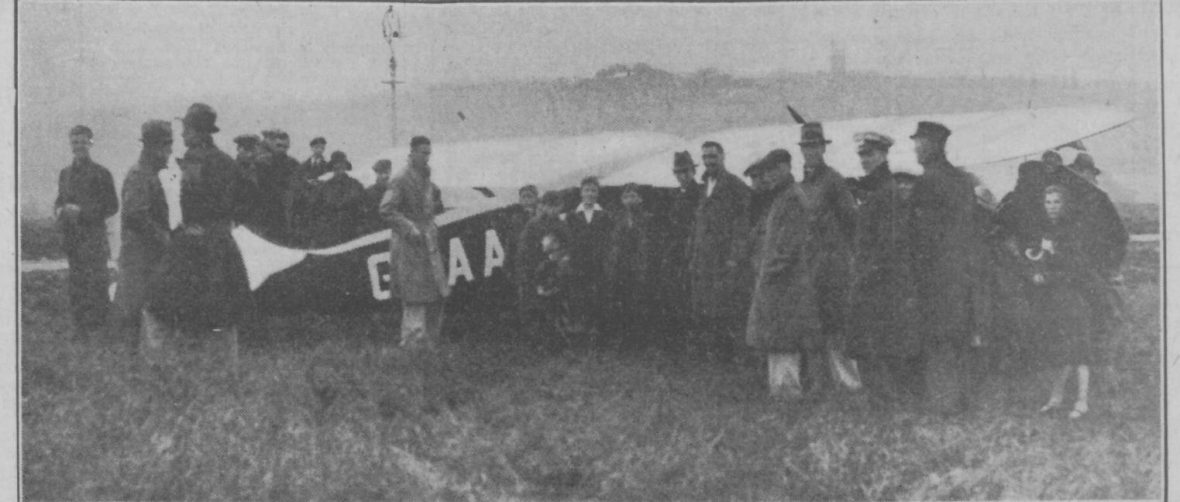
Soon after the park opened the area was used for an unscheduled landing. The incident was reported in local and national newspapers. These images are from […]
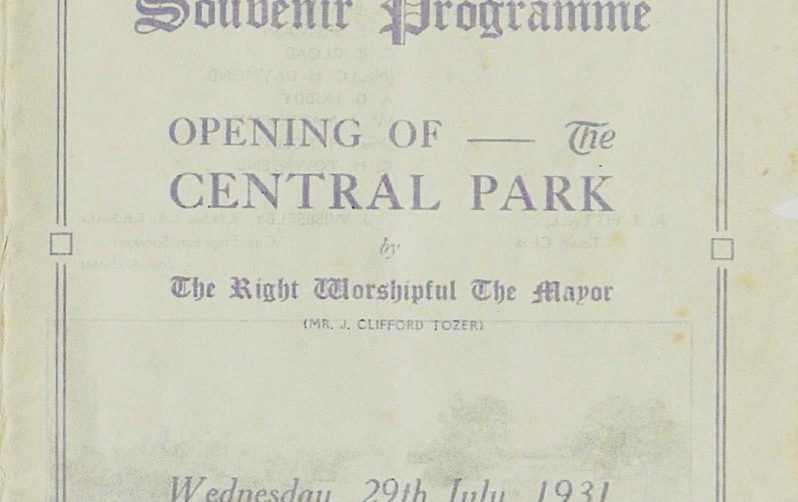
By the time the park was officially opened on 29th July 1931, three sections had been completed; the children’s playground, tennis courts, and bowling greens. Mr […]
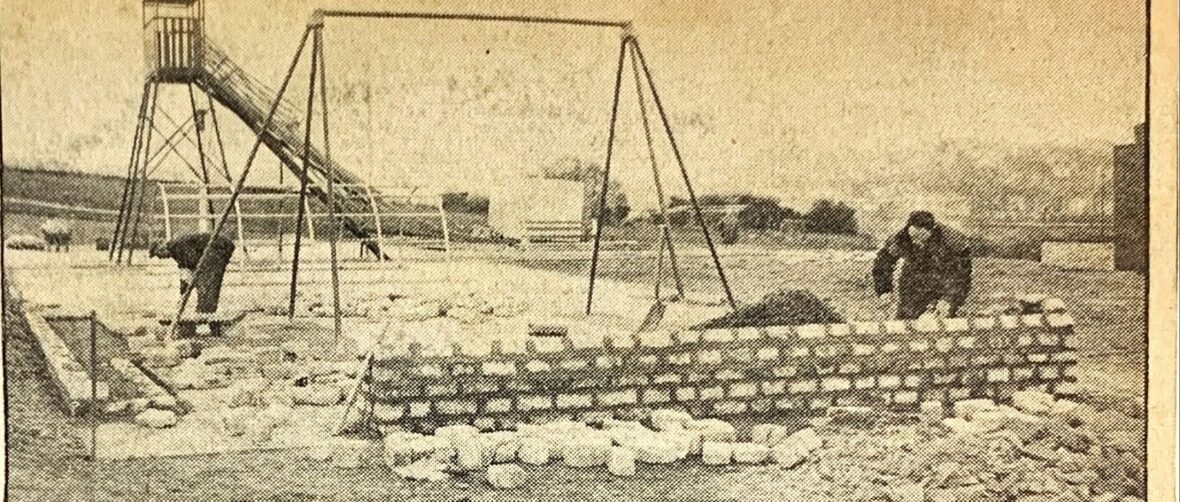
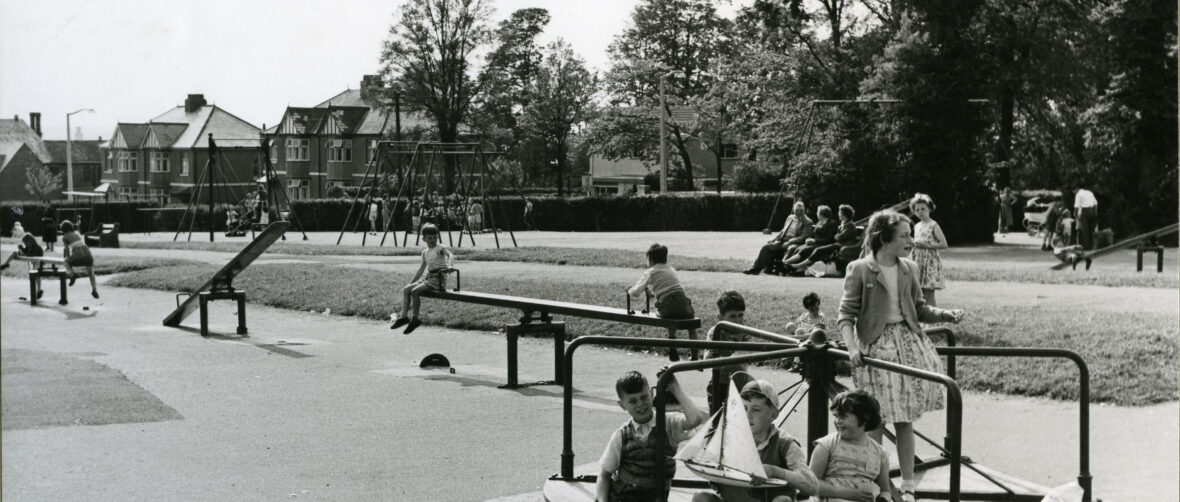
This playground was just inside the main park entrance on Milehouse Corner at the junction of Alma Road and Outland Road. It was constructed with the […]
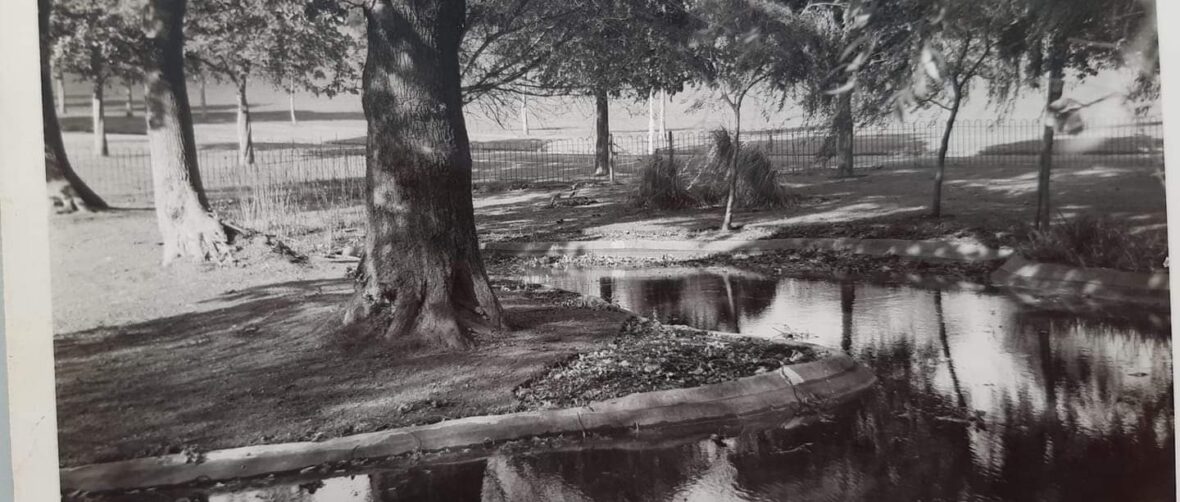
Two pools were made in 1931, one for paddling and the other for model boating. Next to them was a stone-built park shelter and toilets on […]
When Mawson designed Central Park in 1928, four grass courts already existed on the southern side of the Home Park stadium where the Home Park Tennis […]
The original plans for the park made no provision for allotments although they already existed in three places. In the southern area of Exhibition Fields, behind […]
The names of paths and how they were named are here. When the park’s construction began in 1930, Gilbert Lane and Venn Lane already existed as […]
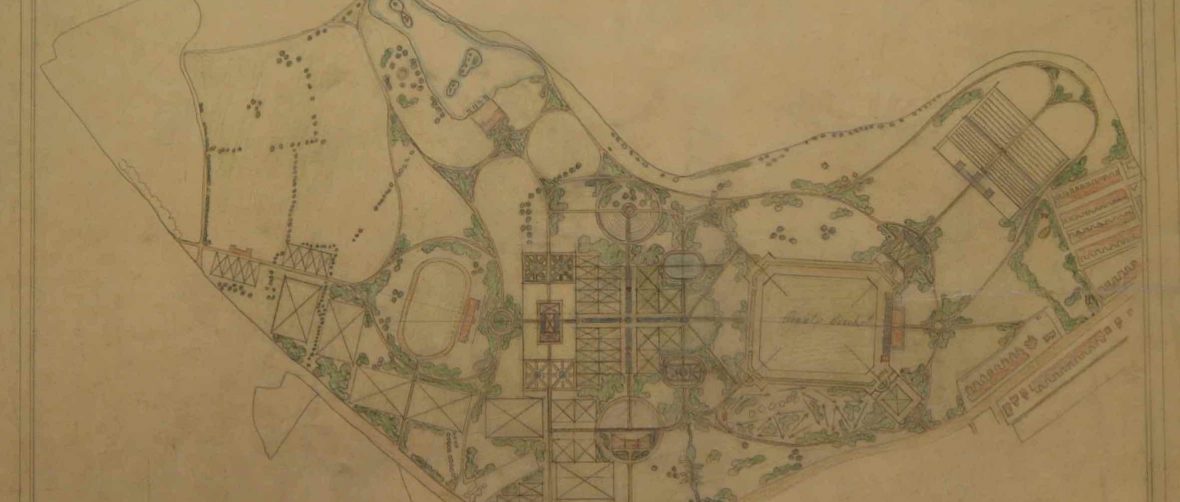
Plymouth Corporation appointed Mawson and Sons of Westminster to design the new park on 27th March 1928. Thomas H Mawson was one of the most prolific […]
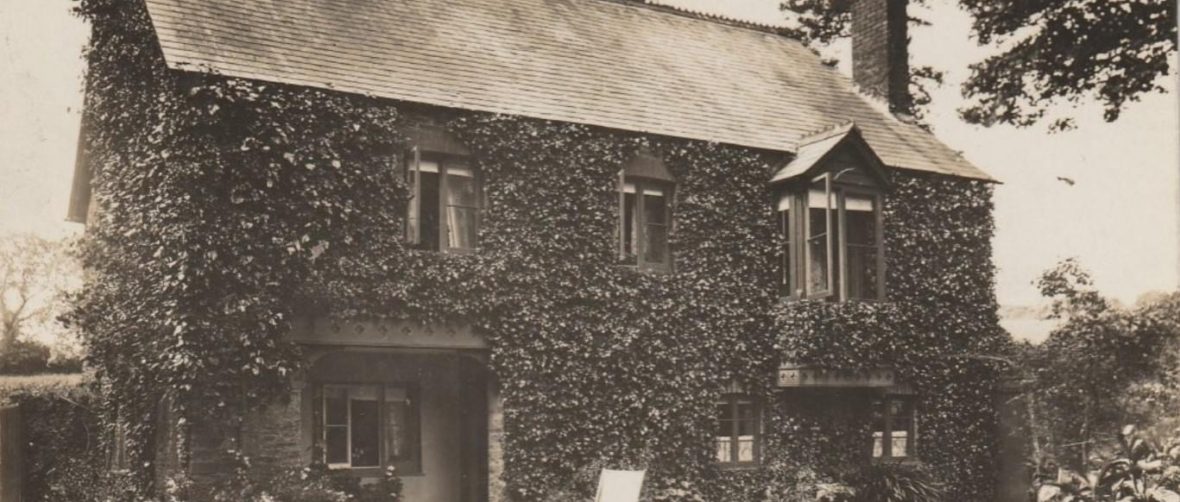
Seventy yards east of the Life Centre on Gilbert Lane is a small gate opening onto Cottage Field. Originally, this would have led to Gilbert Cottage, […]
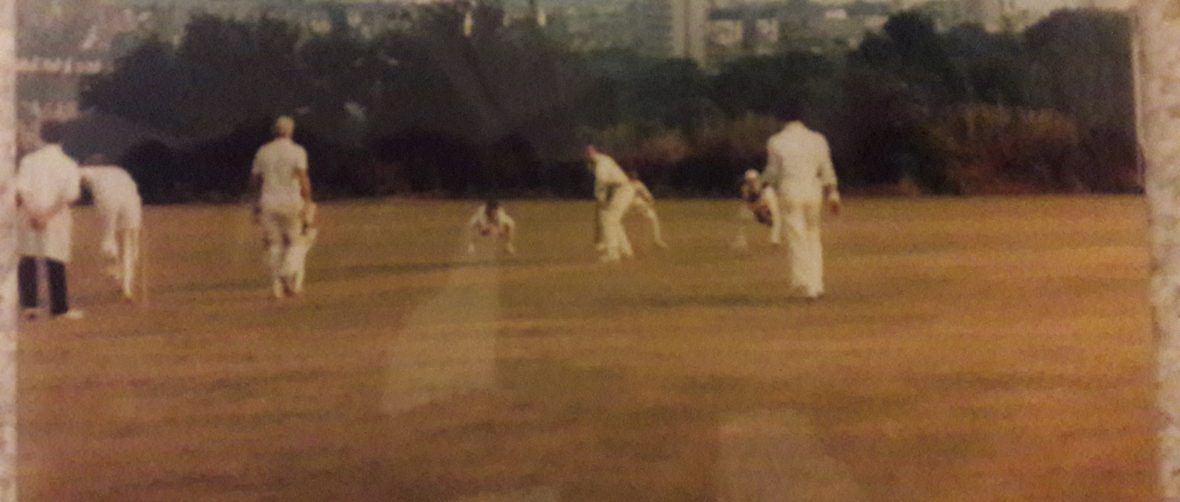
Cricket was played on the ground at Peverell Park before the land was purchased as part of Central Park. Plymouth Cricket Club has provided the following […]
Central Park was designed and laid out around most of the existing features including the Home Park stadium. They have all been a big influence on […]
The Stonehouse Leat was never ideal as a source of water due to the low gradient along its length. By 1833 the demand for water was increasing […]
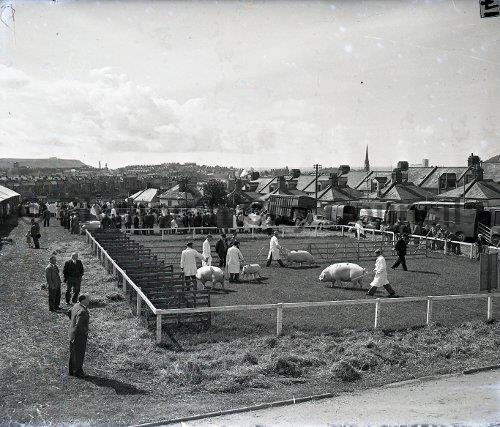
Agricultural shows have taken place in the Exhibition Field above Pennycomequick, now part of Central Park, on eight occasions. The first was the Bath and West […]
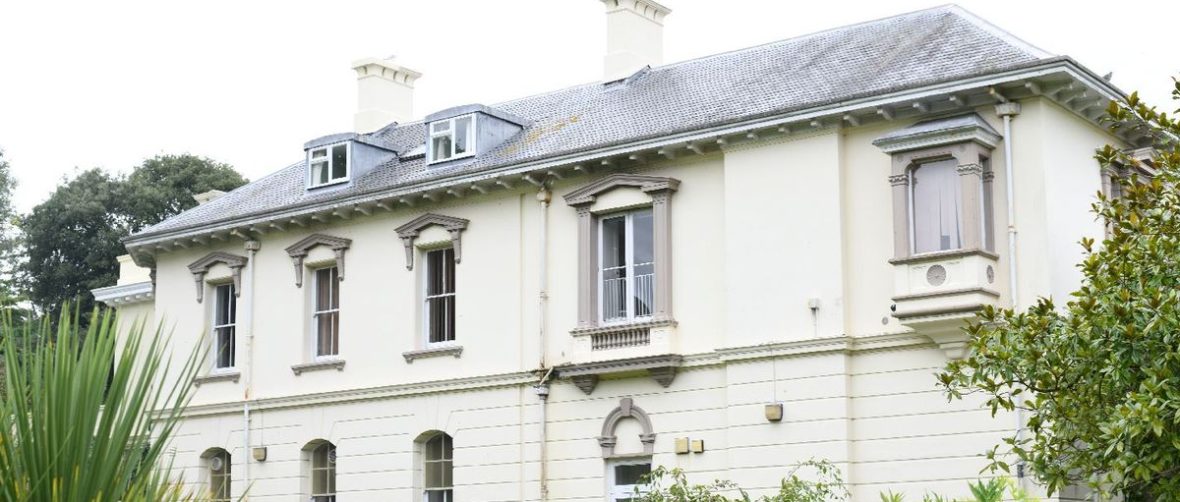
Pounds House and grounds were purchased by the City Corporation in 1927 in one of the three parcels of land to form the future park. […]
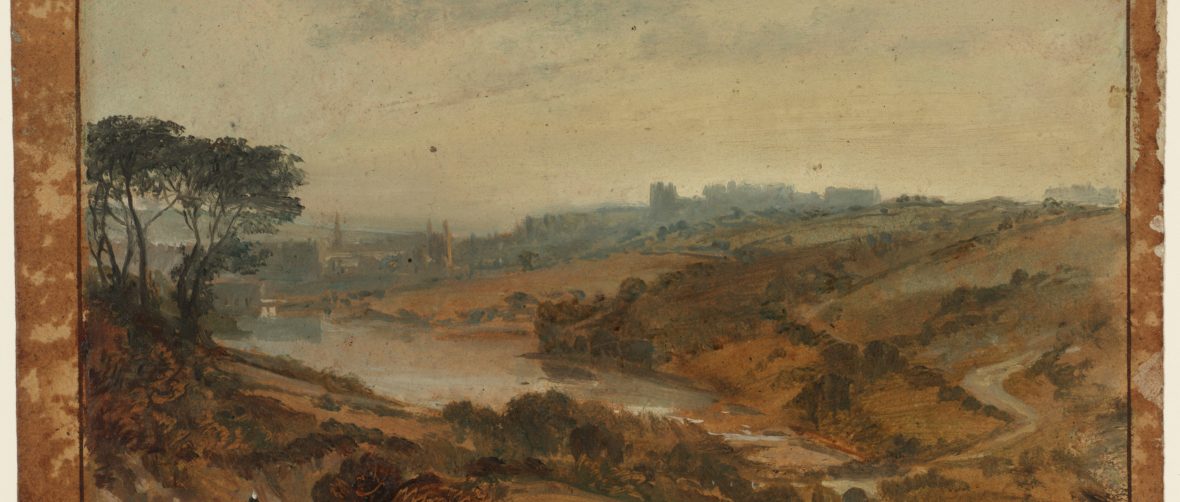
This view of Stoke Damerel and Stonehouse by JWM Turner appears to have been painted from what is now North Road East, above the railway station. The […]
Next to a drain in Venn Lane is a marker stone with the inscription “Stonehouse Leat and Banks 1593”. It was in fact installed during the […]