

Category: History
-
Hutted camp on Alma Road
A hutted camp was established on the eastern side of Alma Road just to the north of Upper Knollys Terrace. The layout and shapes in this 1947 aerial photograph suggest it may have been built incrementally in response to changing needs. A record in The Box (1646-363) headed “Central Park Camp” confirms that some of…
-
Defensive installations
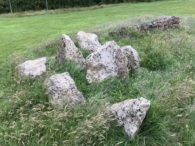
Plymouth had many defences against enemy bombing and the threat of invasion. In Central Park, an anti-aircraft battery was situated where the sports plateau is today on the western side of Discovery Way. It is the feature showing at the centre of this 1947 aerial photograph. The battery was similar in its layout to the…
-
Cricket pavilion
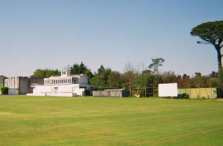
The first cricket pavilion was a small wooden one costing £365. It was officially opened by the Deputy Lord Mayor, Walter Littlejohn, during the match against United Services on 11 July 1925. However, the facility was inadequate in many ways and, without water or heating, it was unable to host representative cricket. Plans for a…
-
1937 Tree Planting, Coronation Avenue
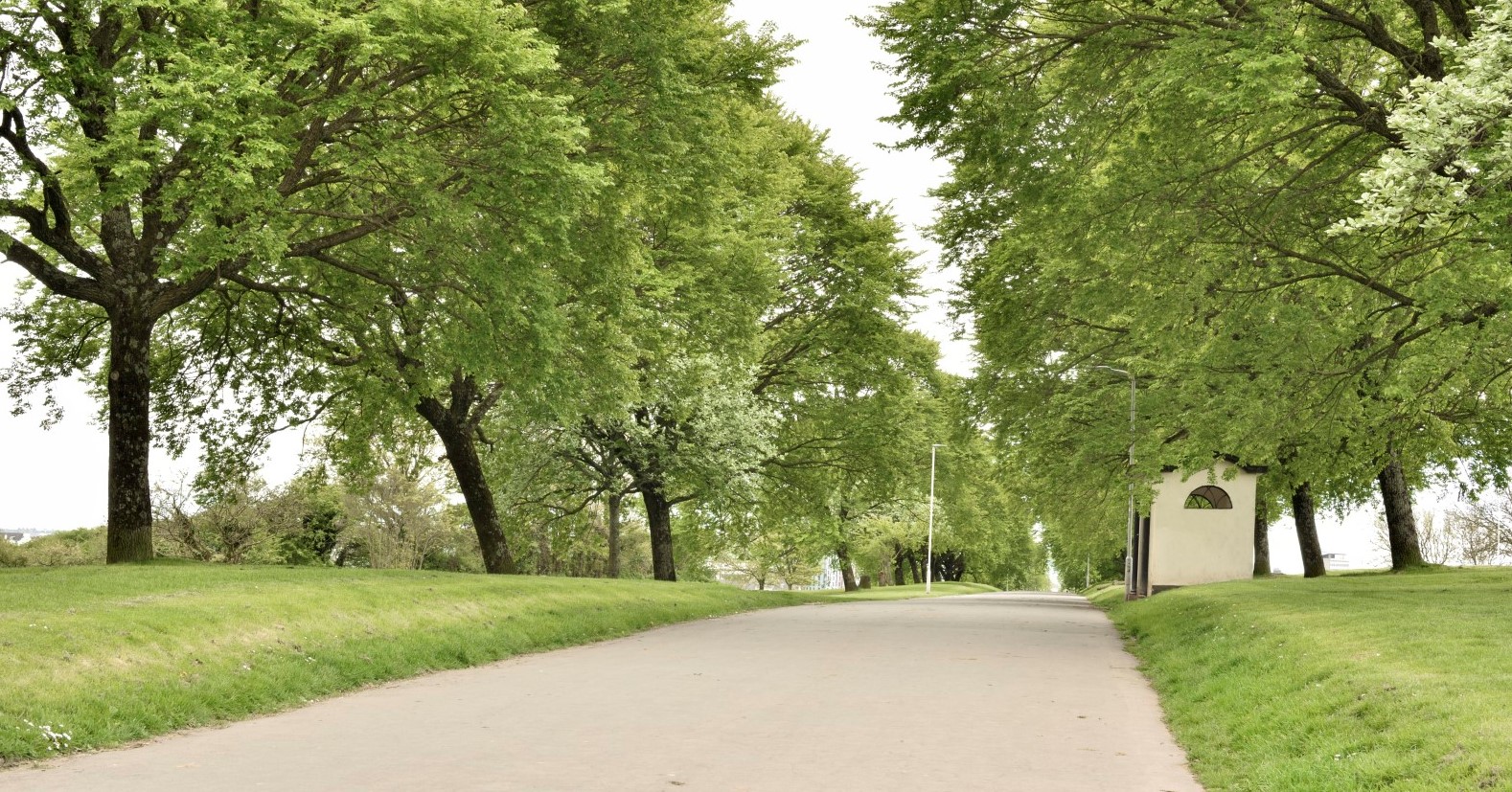
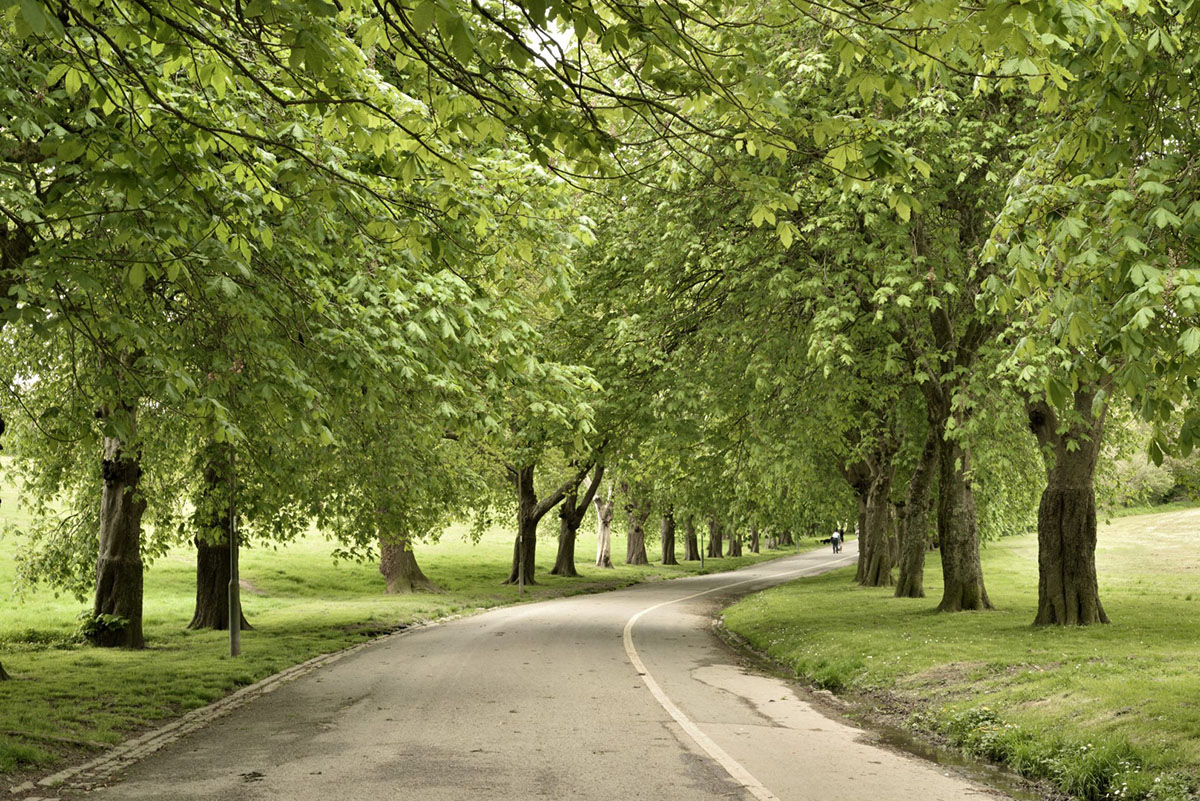
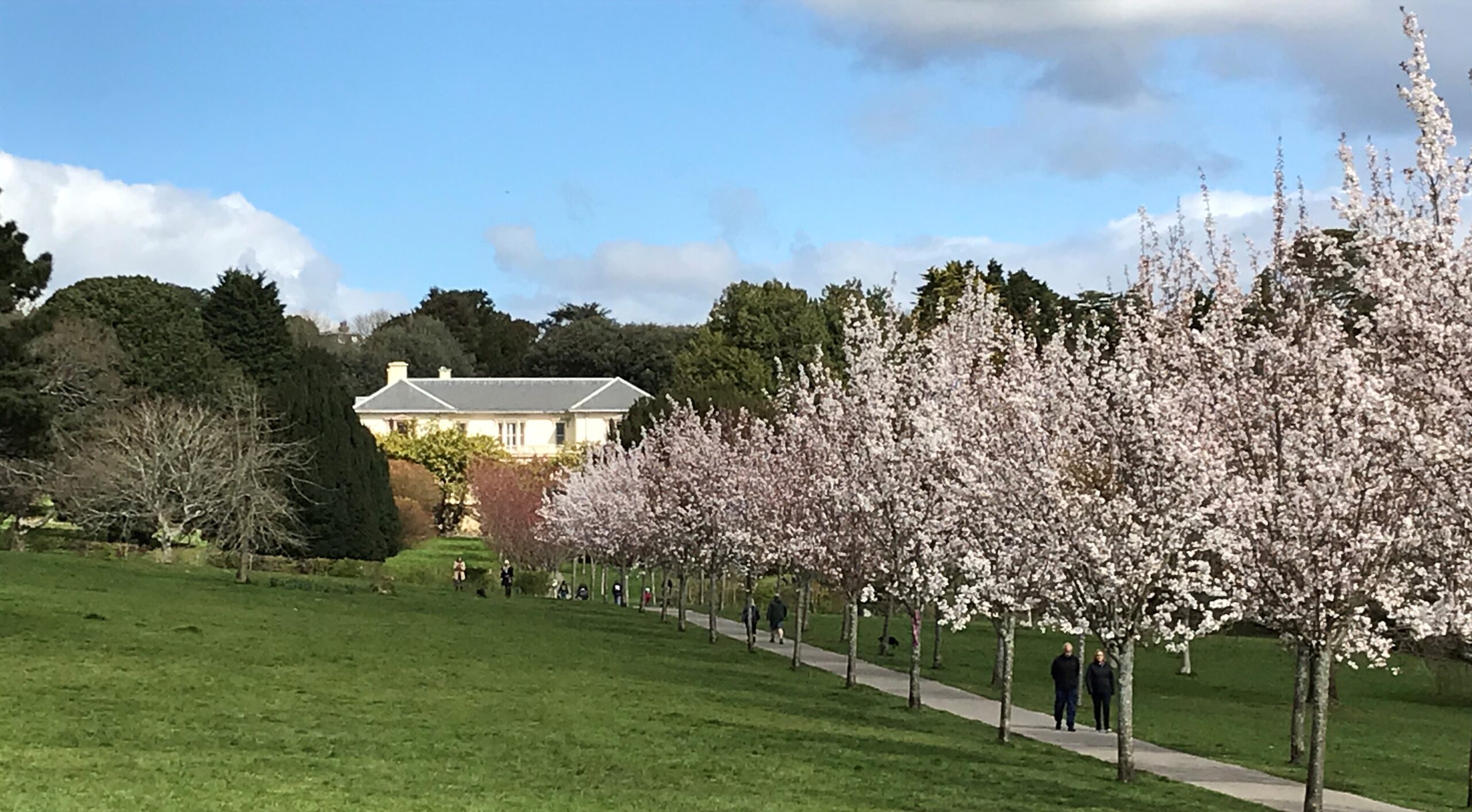
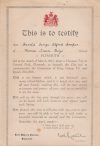
Coronation Avenue takes its name from the trees planted along it in 1937 to celebrate the coronation of King George VI. Children from schools across Plymouth were involved and the accounts here are from Joan Hassall and Ruth Heaton. Joan recalls how the children were divided into groups of four and supervised by a council…
-
1937 Milehouse entrance idea
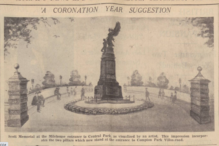
At the start of the Coronation year, 1937, two stone pillars at the entrance to Compton Park Villas Road (now Compton Avenue) became available, prompting a discussion about where they should be re-sited. One suggestion was to make the main entrance to Central Park at Milehouse more imposing. As well as the two pillars,…
-
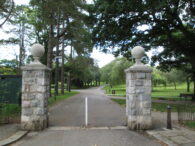
Park entrances
There are many ways into Central Park but only six places where the entrances have been formalised with gate pillars. Five are still accessible and are located as follows: Pounds House entrance. On Outland Road near the junction with Peverell Park Road. Barn Park entrance. At the lower end of Barn Park Road. Ford Park…
-
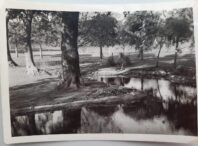
Ponds and streams
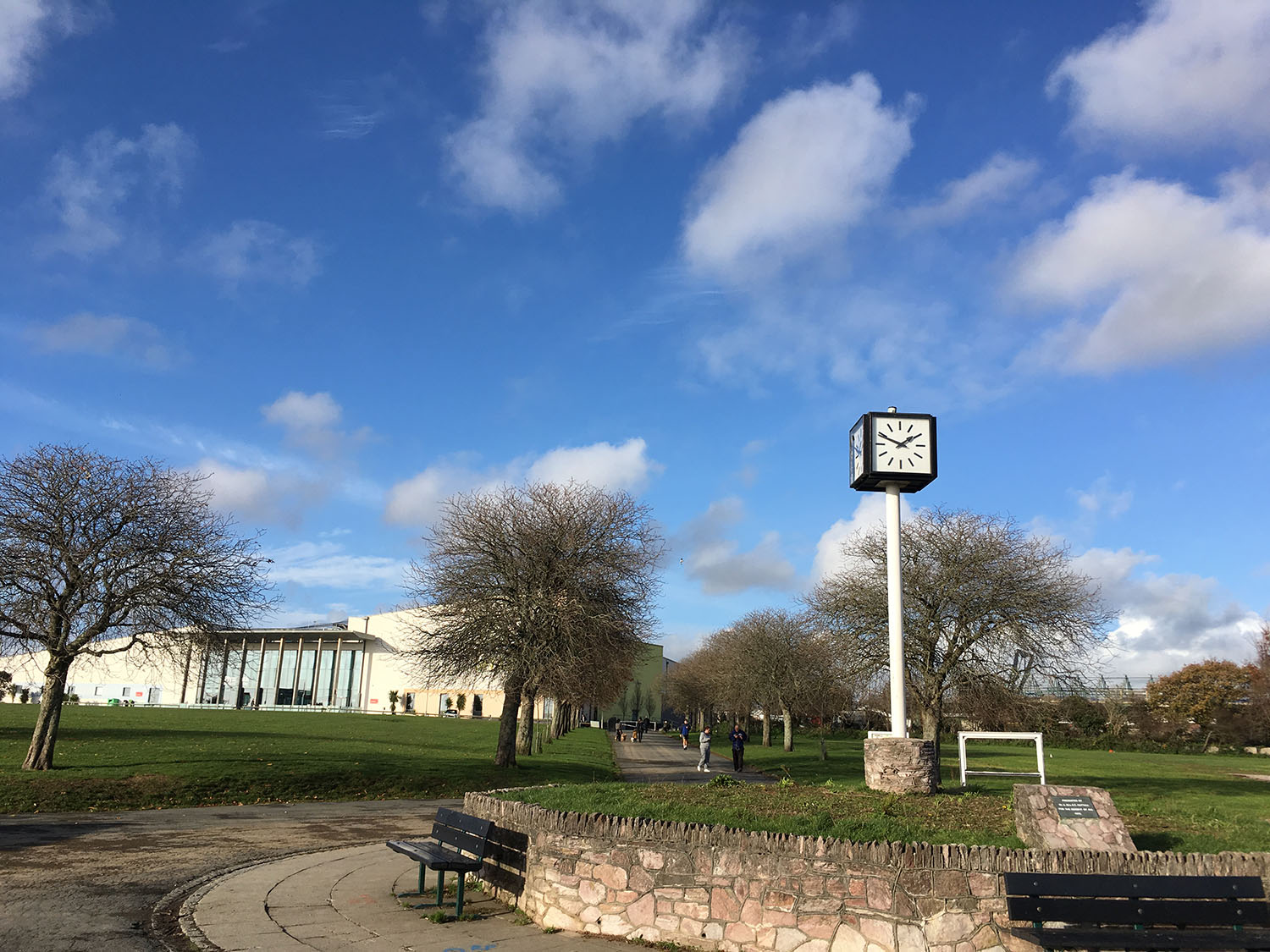
When Mawson designed the park in 1928, he made the following observations about the area’s water resources and how they could be used to provide amenity. The small water course which is mentioned near the social centre is shown on a 1933 map rising near the present clock tower and flowing westwards towards Alma Road.…
-
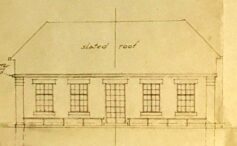
The first bowling pavilion
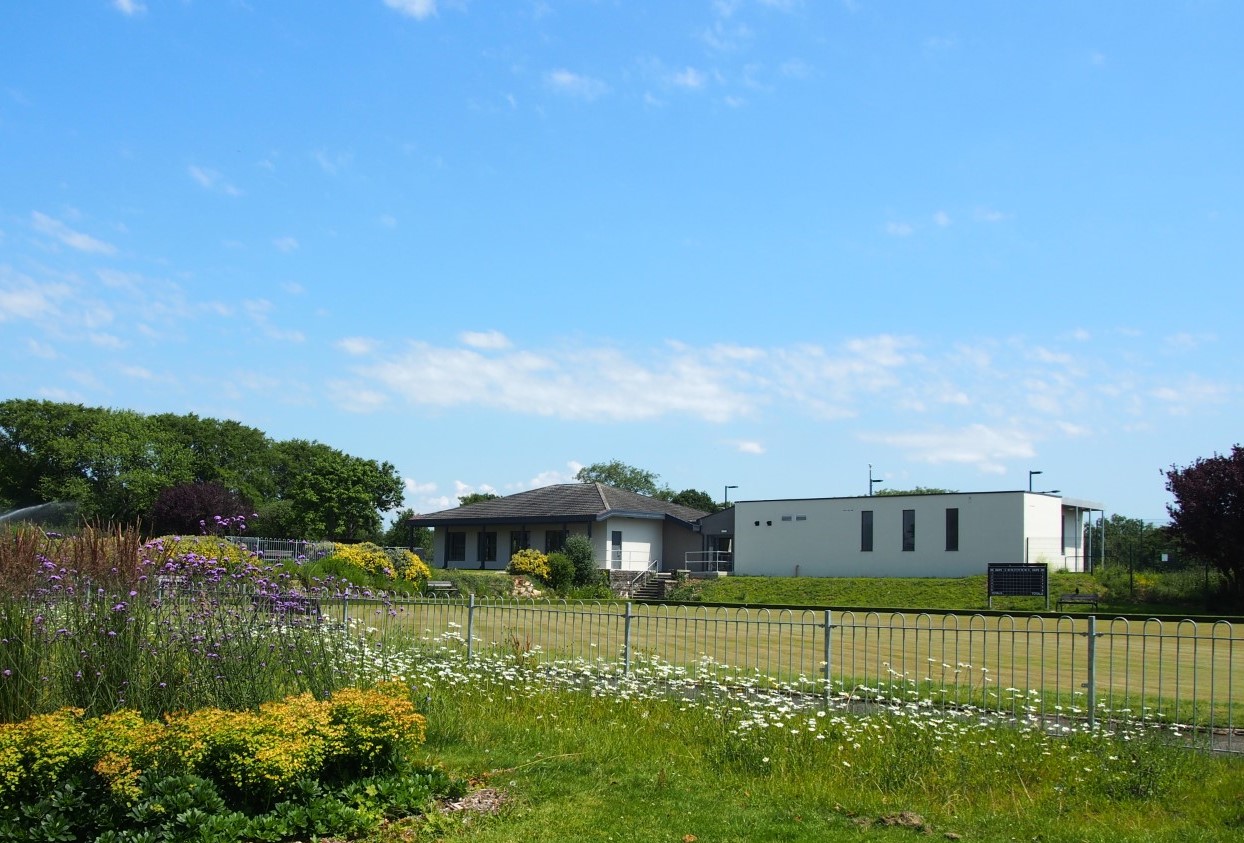
For four seasons after the first match in 1932, bowlers would not have had a pavilion in which to change or entertain visiting teams so the one built in 1935 must have been a welcome improvement. Little is known about this pavilion except that it was quite small (about 40 ft x 20 ft) and…
-
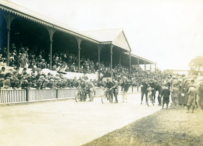
1933 – 1939 Motor cycle races
Motor cycle races were held in the Home Park stadium before 1930 when its oval banked track was replaced by terraces on a more rectangular plan. At the time, motorbikes were little more than pedal bicycles with a small engine added whilst their riders would race in flat caps, sometime worn with their peaks backwards.…
-
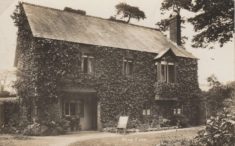
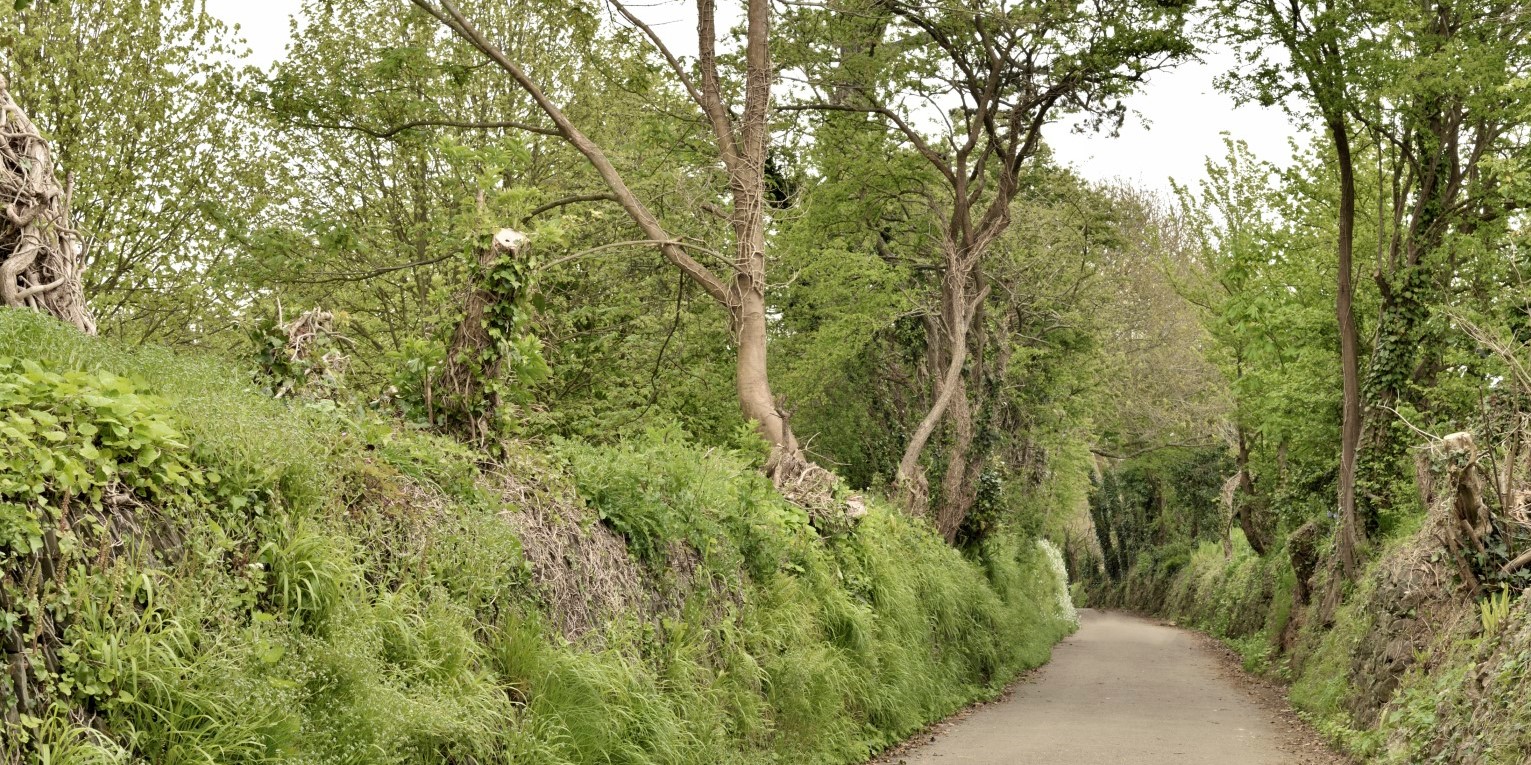
The last tenants of Lower Venn
Venn Lane crosses the Pounds Park area of Central Park between Outland Road opposite Devonport High School for Girls and Peverell Park Road at its junction with Burleigh Park Road. Venn derives from ‘fen’ meaning low or rough ground. Only in 1981, 50 years after the park opened, was the lane closed to motor traffic. Sixty…