

Category: History
-
1932 – the present, Bowling
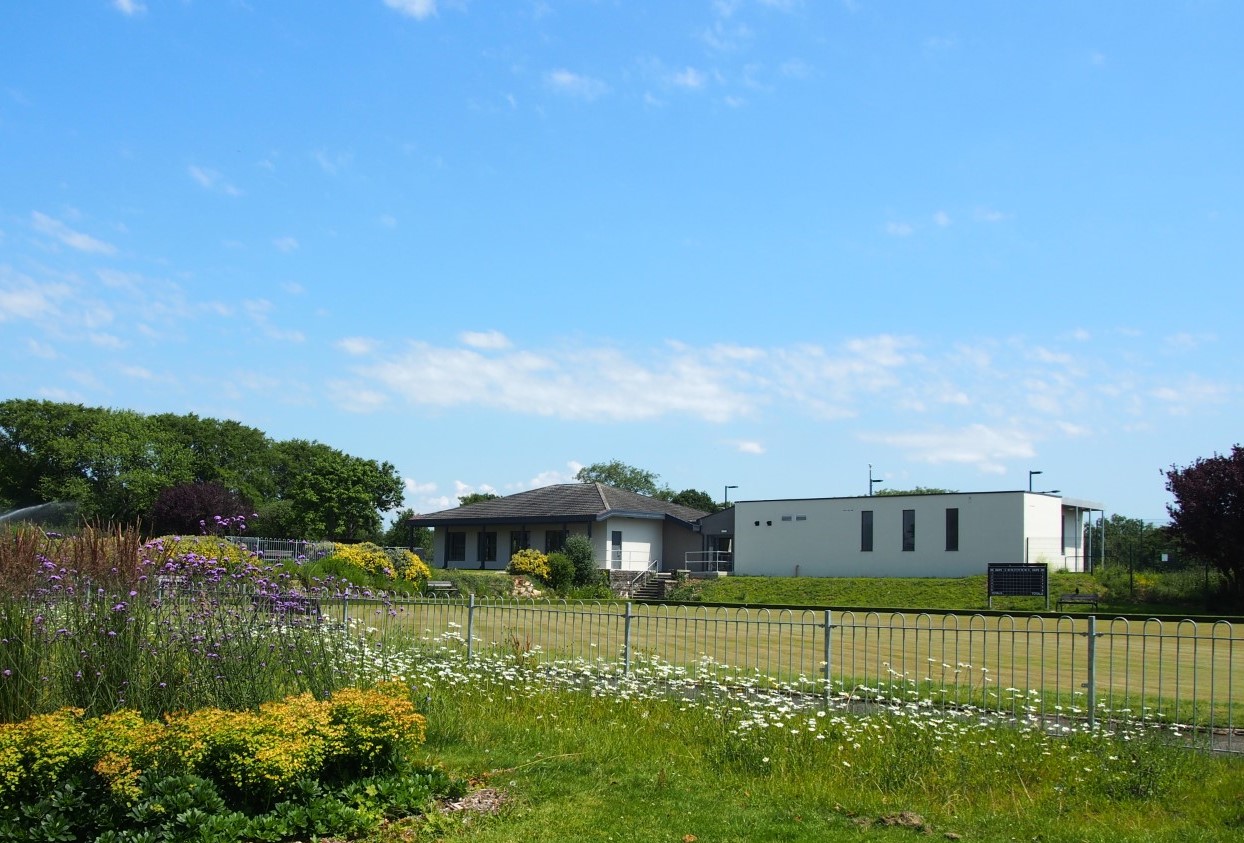
The opening programme in 1931 stated that two greens were being provided of special construction with sea-washed turf obtained from Lancashire. They were completed in 1932 and inaugurated by the Mayor, Mr G.P. Dymond who threw the first wood. Remarkably, the same greens have seen matches played in every year since then, including the war…
-
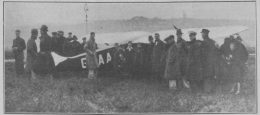
An aeroplane lands
Soon after the park opened the area was used for an unscheduled landing. The incident was reported in local and national newspapers. These images are from The Western Morning News and The Daily Mirror Tuesday 30th August 1932.
-
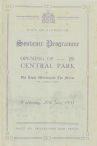
1931 Opening Ceremony
By the time the park was officially opened on 29th July 1931, three sections had been completed; the children’s playground, tennis courts, and bowling greens. Mr Clifford Tozer, Mayor of Plymouth led the opening event, which accounts say was attended by a crowd of thousands. The programme outlines the sequence of events, which began at…
-
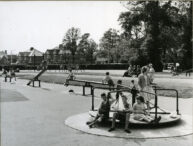
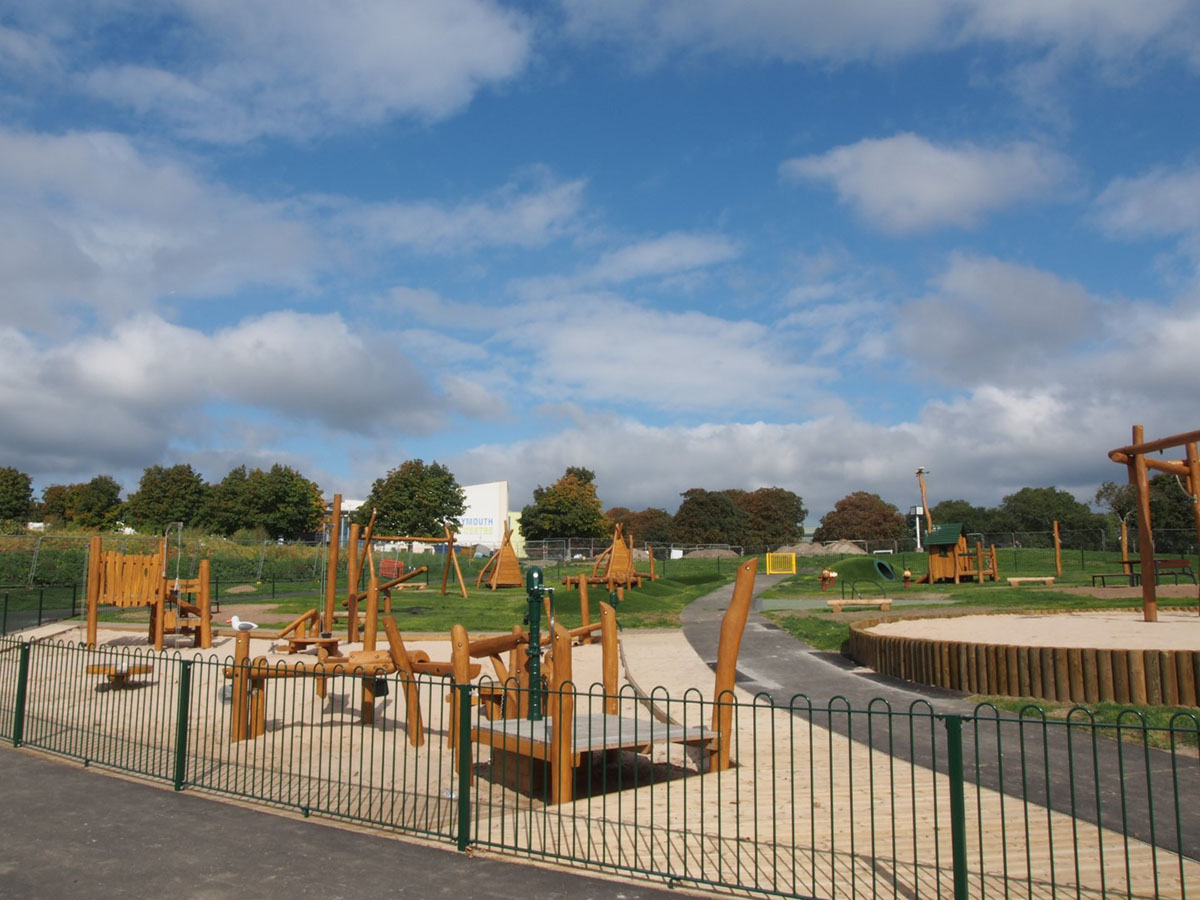
The playground at Milehouse corner
This playground was just inside the main park entrance on Milehouse Corner at the junction of Alma Road and Outland Road. It was constructed with the park and the programme for the opening ceremony on 29th July 1931 included this description: “On the eastern (sic) side of the paddling pools is the equipped playground which…
-
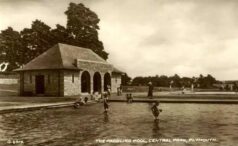
The pools at Milehouse Corner
Two pools were made in 1931, one for paddling and the other for model boating. Next to them was a stone-built park shelter and toilets on one side and on the other was the children’s playground by Milehouse corner. The Mayor, Mr J Clifford Tozer, launched a boat to open the pools as part of…
-
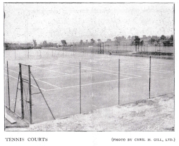
The first tennis courts
When Mawson designed Central Park in 1928, four grass courts already existed on the southern side of the Home Park stadium where the Home Park Tennis Club played, and there was a grass court at Higher Swilly Farm which appears to have been made by the Cundy family before they left in 1927. Unlike the…
-
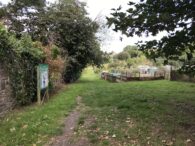
Allotments
The original plans for the park made no provision for allotments although they already existed in three places. In the southern area of Exhibition Fields, behind Upper Knollys Terrace, they lay either side of the informal path that ran between Pennycomequick and Home Park. In the north of the park, there were allotments in the…
-
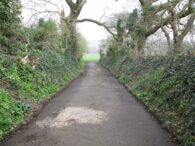
Paths are made
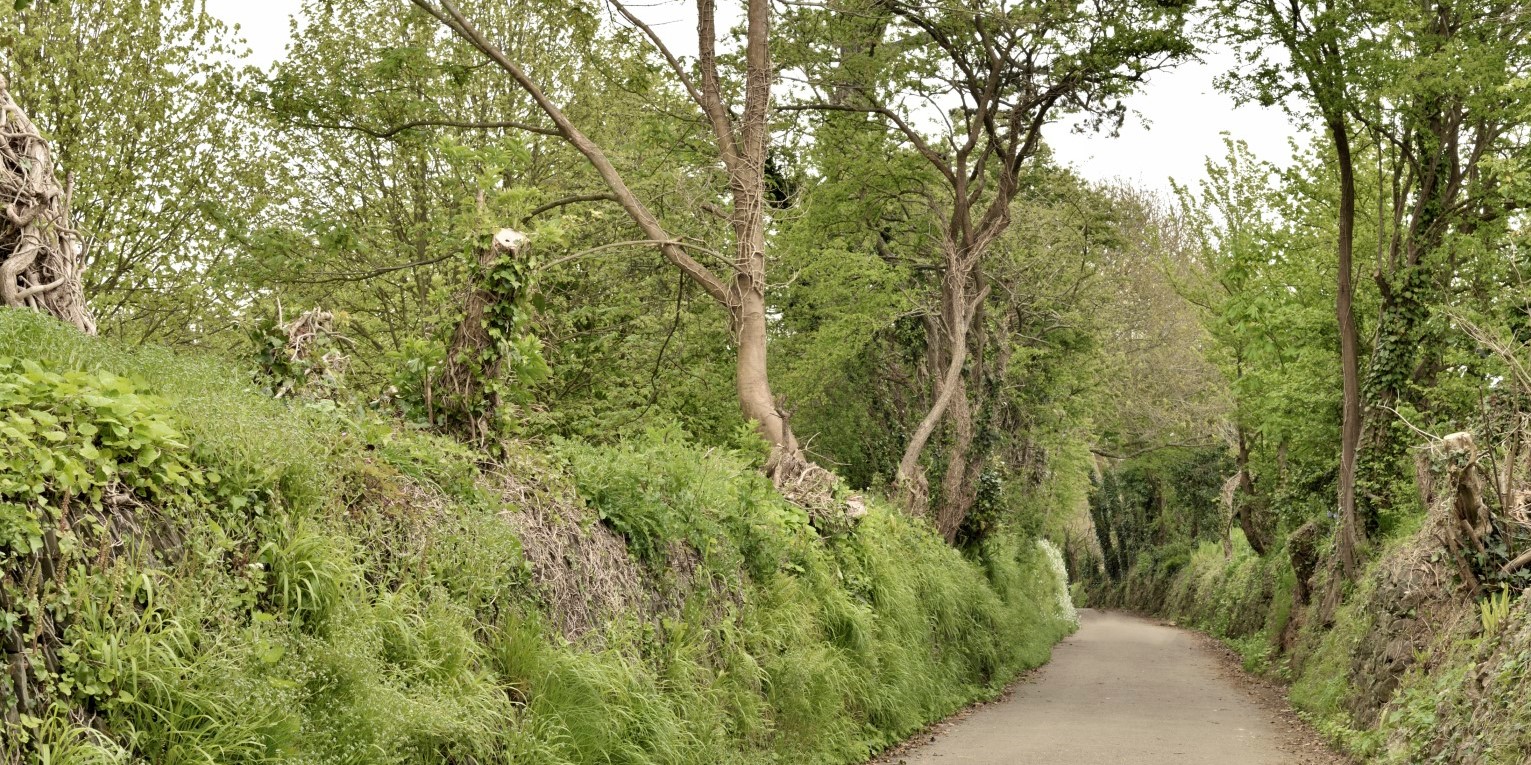
The names of paths and how they were named are here. When the park’s construction began in 1930, Gilbert Lane and Venn Lane already existed as a farm track and an ancient thoroughfare respectively. The map survey of 1914 also shows a path along the southern part of the Valley which appears to end near…
-
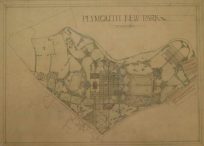
Designs for a new park for Plymouth
Plymouth Corporation appointed Mawson and Sons of Westminster to design the new park on 27th March 1928. Thomas H Mawson was one of the most prolific and influential landscape architects of his time and his appointment shows the Council’s determination to have the very best for the city’s new park. It was to be Mawson’s…
-
Gilbert Cottage
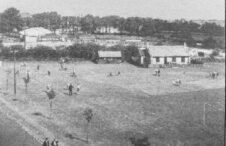
Seventy yards east of the Life Centre on Gilbert Lane is a small gate opening onto Cottage Field. Originally, this would have led to Gilbert Cottage, from which Cottage Field takes its name. The cottage was probably built for a farm worker and it remained when the land was purchased for Central Park in 1925. …