email?
The Western Evening Herald reported on 25th September 1947 that the Alma Road widening scheme had begun. The condition of this highway had been causing considerable criticism […]
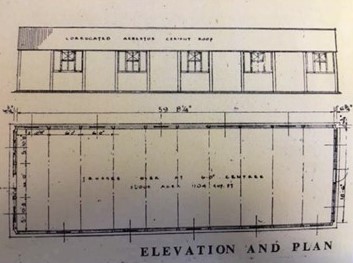
Over 156,000 temporary bungalows or “prefabs” (abbreviated from prefabricated buildings) were manufactured and erected across the UK between 1945 and 1948 to help with meeting the […]
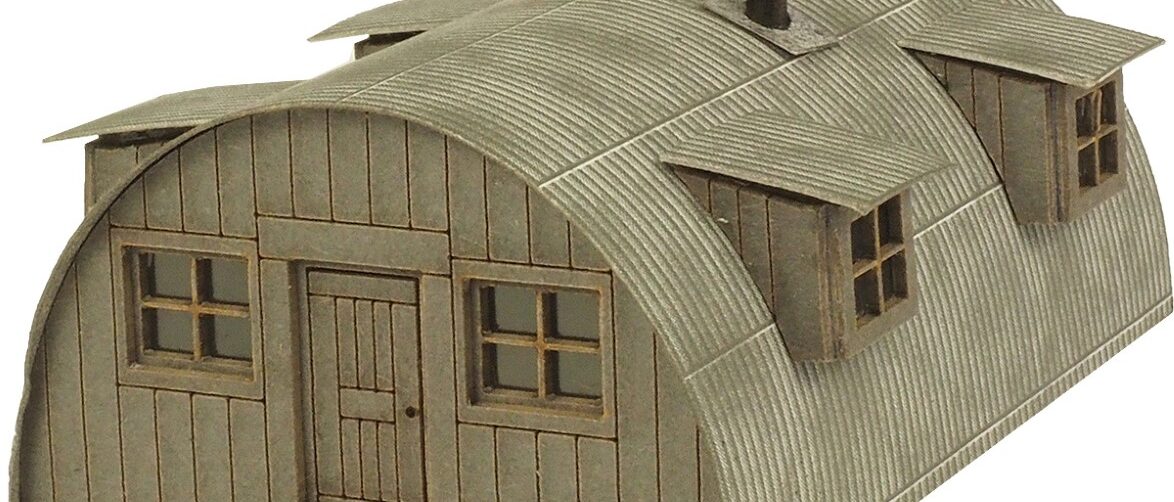
In August 1946, a year after the end of the Second World War, a model enthusiast, George Archibald Dingle who lived at Kelly Bray near Callington, […]
In the photo below of a 1949 cycle race, the curved roof of a Nissen hut can be seen behind the crowds and to the left […]
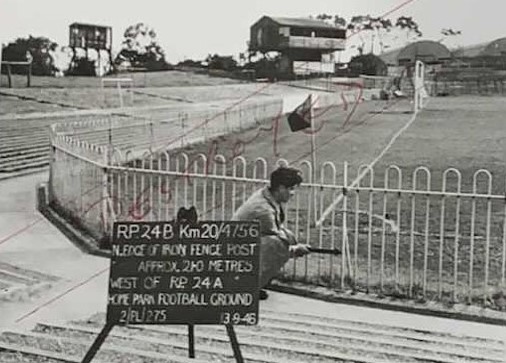
After the Second World War, there was a pressing need for new maps. Ordnance Survey (OS) surveyors used triangulation points in the country and revision points […]
A 2003 English Heritage study records a Prisoner of War camp at Home Park, number 673, although the grid reference is almost certainly incorrect and the […]
In 1943, the US Navy established a forward operating base in Plymouth to support the ships that would take troops across the English Channel to fight […]
By 1942, the central cooking depots established at Torr House, Crownhill and Laira Schools had become very unsatisfactory, and an increasing number of meals were needed […]
There were at least four public air raid shelters built in the park to protect local residents from the Blitz. They were cut into the ground […]
The Town Clerk in 1940, Colin Campbell, had the added responsibility of being the Air Raid Precautions (ARP) controller. When bombed out of the municipal offices […]
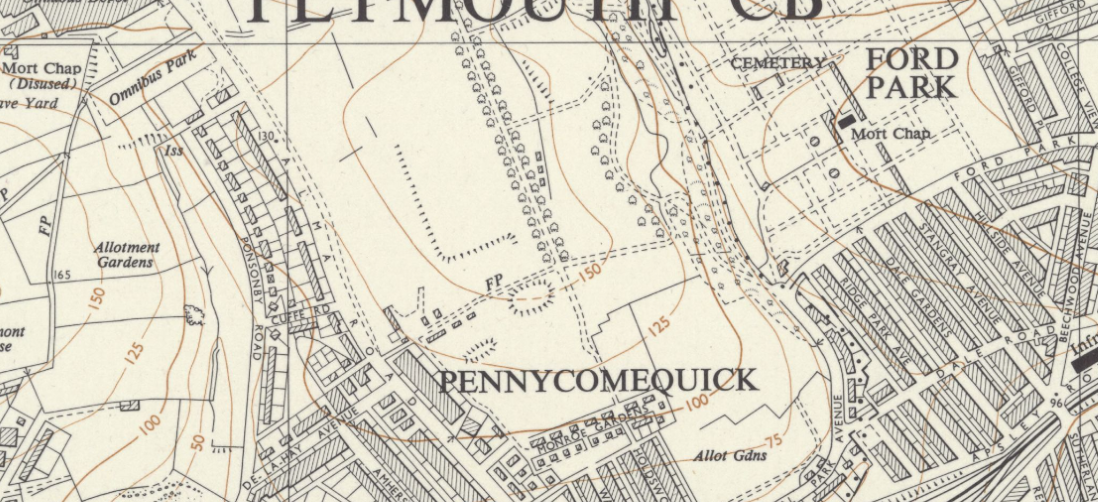
A hutted camp was established on the eastern side of Alma Road just to the north of Upper Knollys Terrace. The layout and shapes in this […]
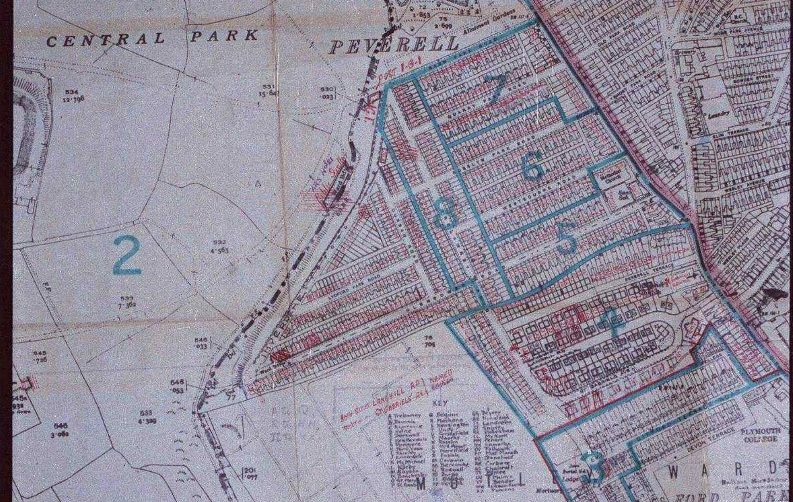
Plymouth had many defences against enemy bombing and the threat of invasion. In Central Park, an anti-aircraft battery was situated where the sports plateau is today […]