
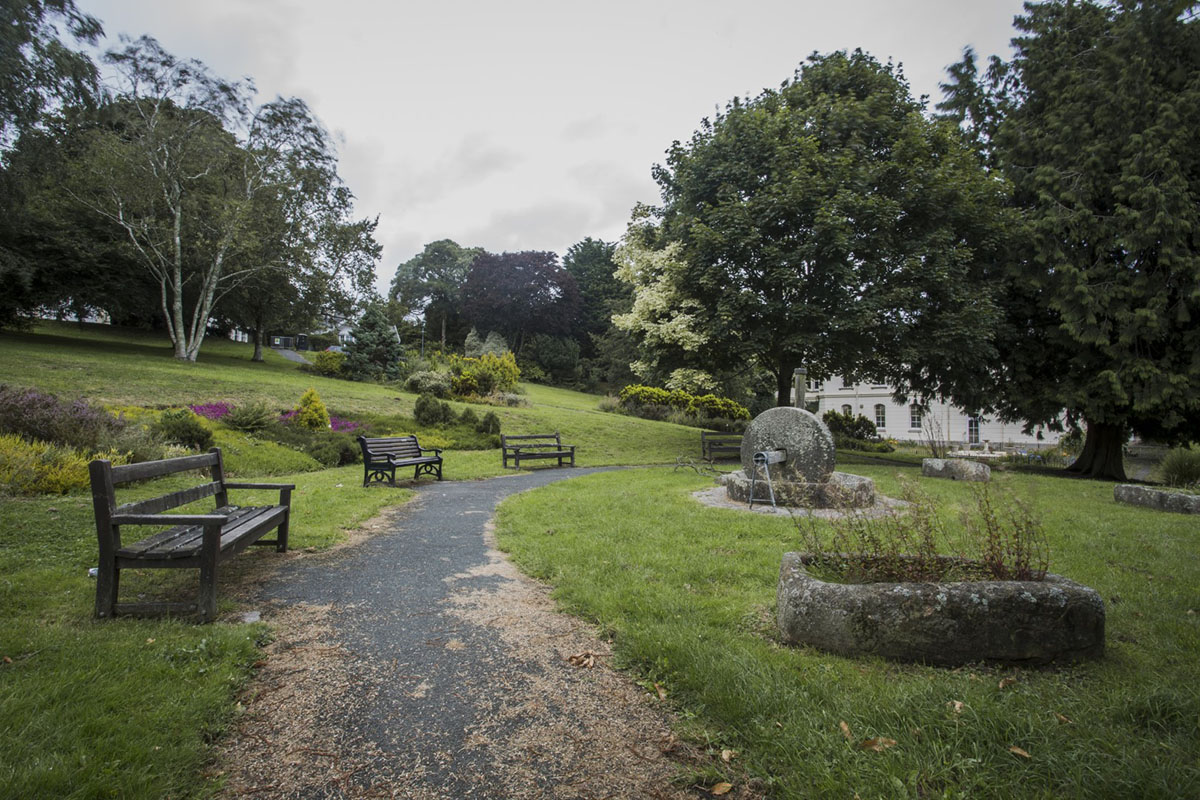
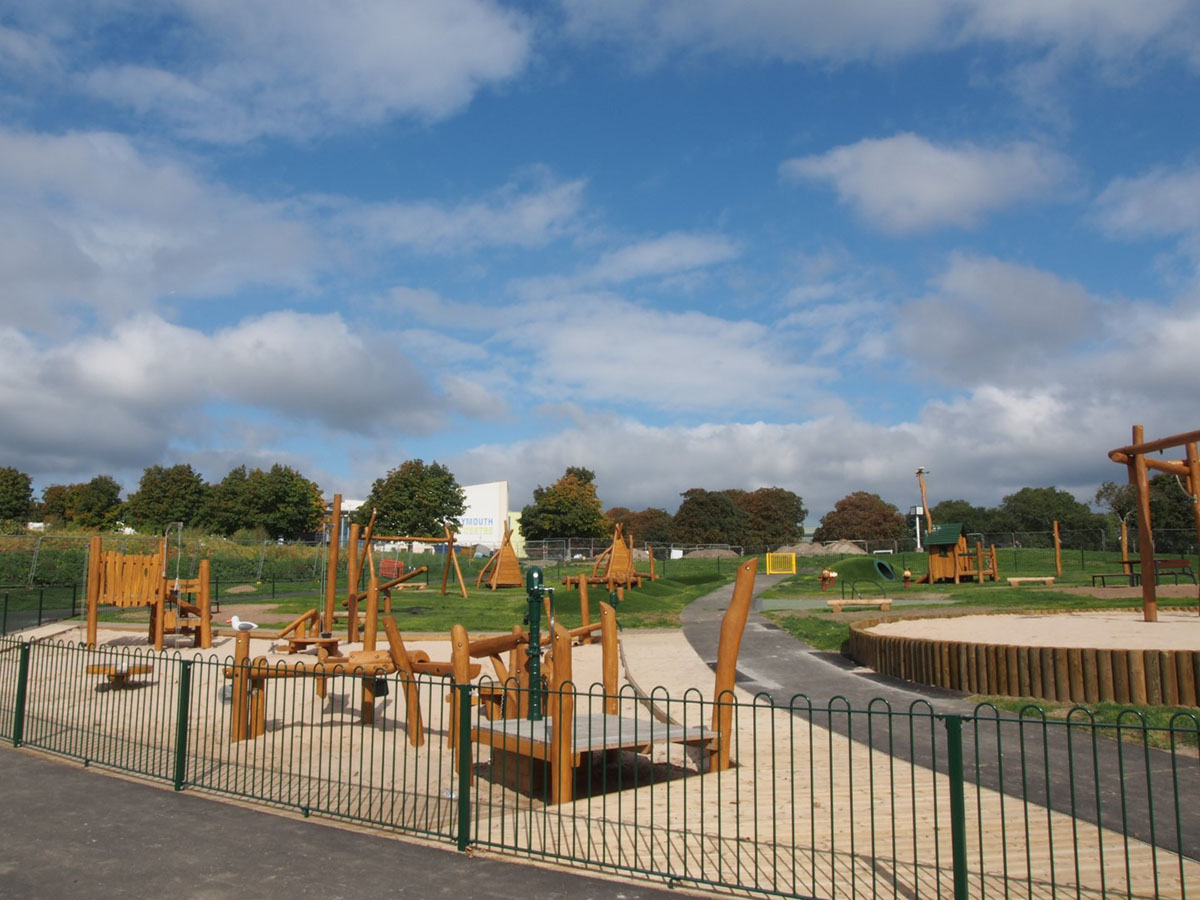
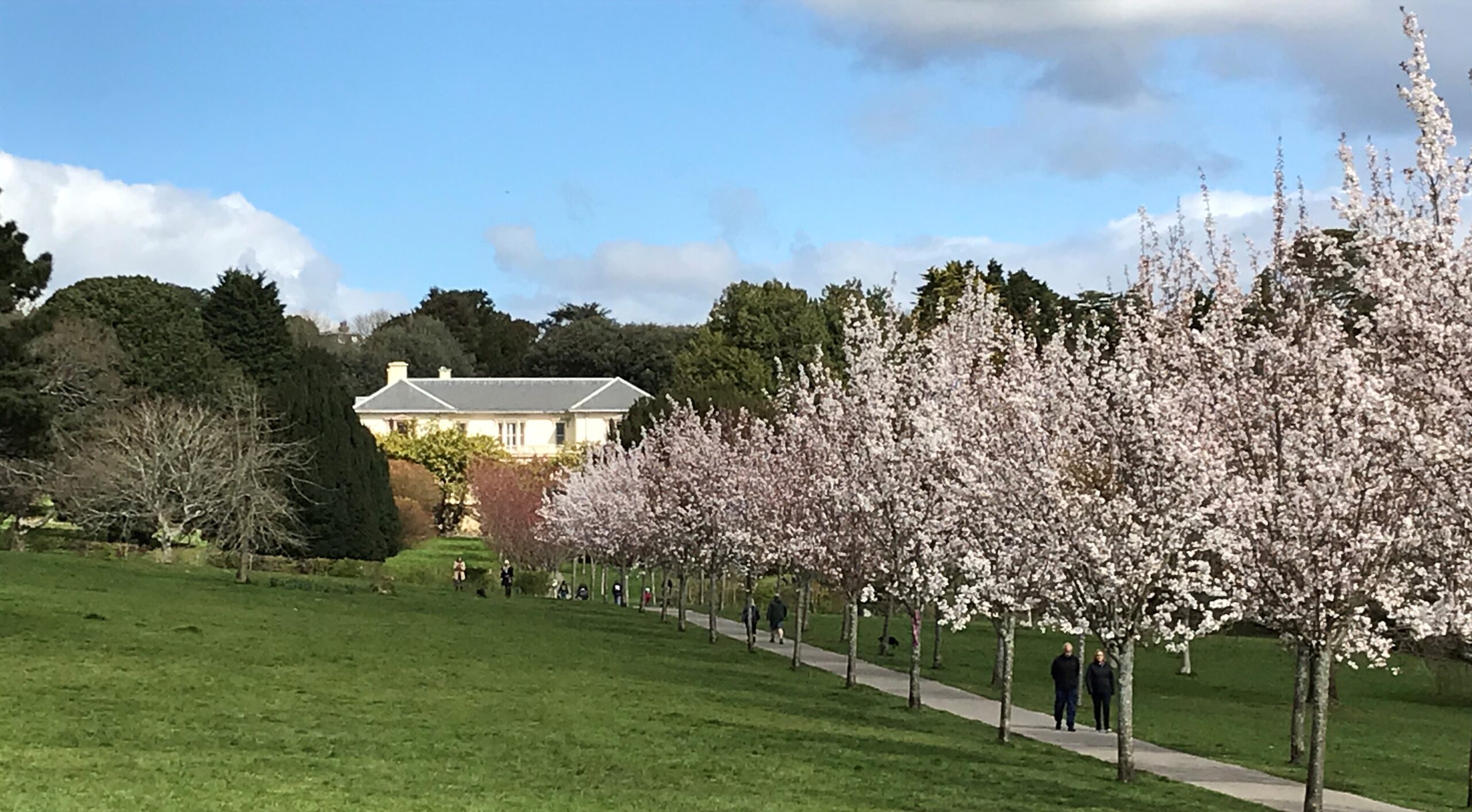

In the 1920s, the City Council embarked on a range of capital projects to provide leisure facilities for its growing population. The importance of active recreation was starting to be recognised and Tinside Pool was planned at about the same time. Between 1925 and 1929, the Council bought land for the new park. Most of it had been farmland since at least the 18th century although the purchases also included Pounds House and its grounds.
In 1928, Thomas H Mawson was appointed as the landscape architect. He was one of the most prolific and influential designers of his time and his appointment shows the City Council’s determination to have the very best for the new park. The plan in 1928 bears Mawson’s stylistic hallmarks although it is likely that most of it would have been undertaken by his son, E Prentice Mawson.
Following endorsement by the Hoe and Parks Committee, the City Council obtained a loan from the Ministry of Health to start implementing the plan. It included the use of unemployed labourers as part of a national job creation scheme and construction work started in January 1930.
Central Park was formally opened to the public at a ceremony held on 29 July 1931 although most of the planned features had still to be built. That remained the case at the outbreak of the Second World War in 1939 and the principal exceptions which still survive are the park’s main footpaths, the car park on Outland Road and the bowling greens.
- Stonehouse Leat and Banks
 Next to a drain in Venn Lane is a marker stone with the inscription “Stonehouse Leat and Banks 1593”. It was in fact installed during the 19th century when the Stonehouse Leat was upgraded to serve the growing population of East Stonehouse. A similar stone can be seen by the park entrance on Peverell Park… Read more: Stonehouse Leat and Banks
- ‘Stoke Damerel and Stonehouse Creek from Plymouth’ JWM Turner
 This view of Stoke Damerel and Stonehouse by JWM Turner appears to have been painted from what is now North Road East, above the railway station. The painting shows Stoke Damerel church tower and the spire of St Aubyn’s Devonport, with the creek at Pennycomequick in the foreground touching the lower slopes of what is now… Read more: ‘Stoke Damerel and Stonehouse Creek from Plymouth’ JWM Turner
- Pounds House – a fashionable residence
 Pounds House and grounds were purchased by the City Corporation in 1927 in one of the three parcels of land to form the future park. In 1928, Mawson’s report to the Hoe and Parks Committee noted that the house was in an extremely bad state of repair but worthy of renovation. He proposed that,… Read more: Pounds House – a fashionable residence
- The Reservoirs
 The Stonehouse Leat was never ideal as a source of water due to the low gradient along its length. By 1833 the demand for water was increasing due to expanding housing and, in an attempt to meet the demand, some open-ditch sections of the Stonehouse Leat were replaced with lead pipes. In 1860, it was decided… Read more: The Reservoirs
- Home Park stadium – the early years
 Central Park was designed and laid out around most of the existing features including the Home Park stadium. They have all been a big influence on the park’s subsequent development but none more so than the football stadium and its resident football club. When Argyle moved into Home Park in 1900 from their previous ground… Read more: Home Park stadium – the early years
- The Cricket Field
 Cricket was played on the ground at Peverell Park before the land was purchased as part of Central Park. Plymouth Cricket Club has provided the following accounts from 1924 and 1925: 1924 At a January meeting, it was announced that owing to the Beacon Park pitches being unavailable for the coming season, it had been… Read more: The Cricket Field
- Gilbert Cottage
 Seventy yards east of the Life Centre on Gilbert Lane is a small gate opening onto Cottage Field. Originally, this would have led to Gilbert Cottage, from which Cottage Field takes its name. The cottage was probably built for a farm worker and it remained when the land was purchased for Central Park in 1925. … Read more: Gilbert Cottage
- Designs for a new park for Plymouth
 Plymouth Corporation appointed Mawson and Sons of Westminster to design the new park on 27th March 1928. Thomas H Mawson was one of the most prolific and influential landscape architects of his time and his appointment shows the Council’s determination to have the very best for the city’s new park. It was to be Mawson’s… Read more: Designs for a new park for Plymouth
- Paths are made
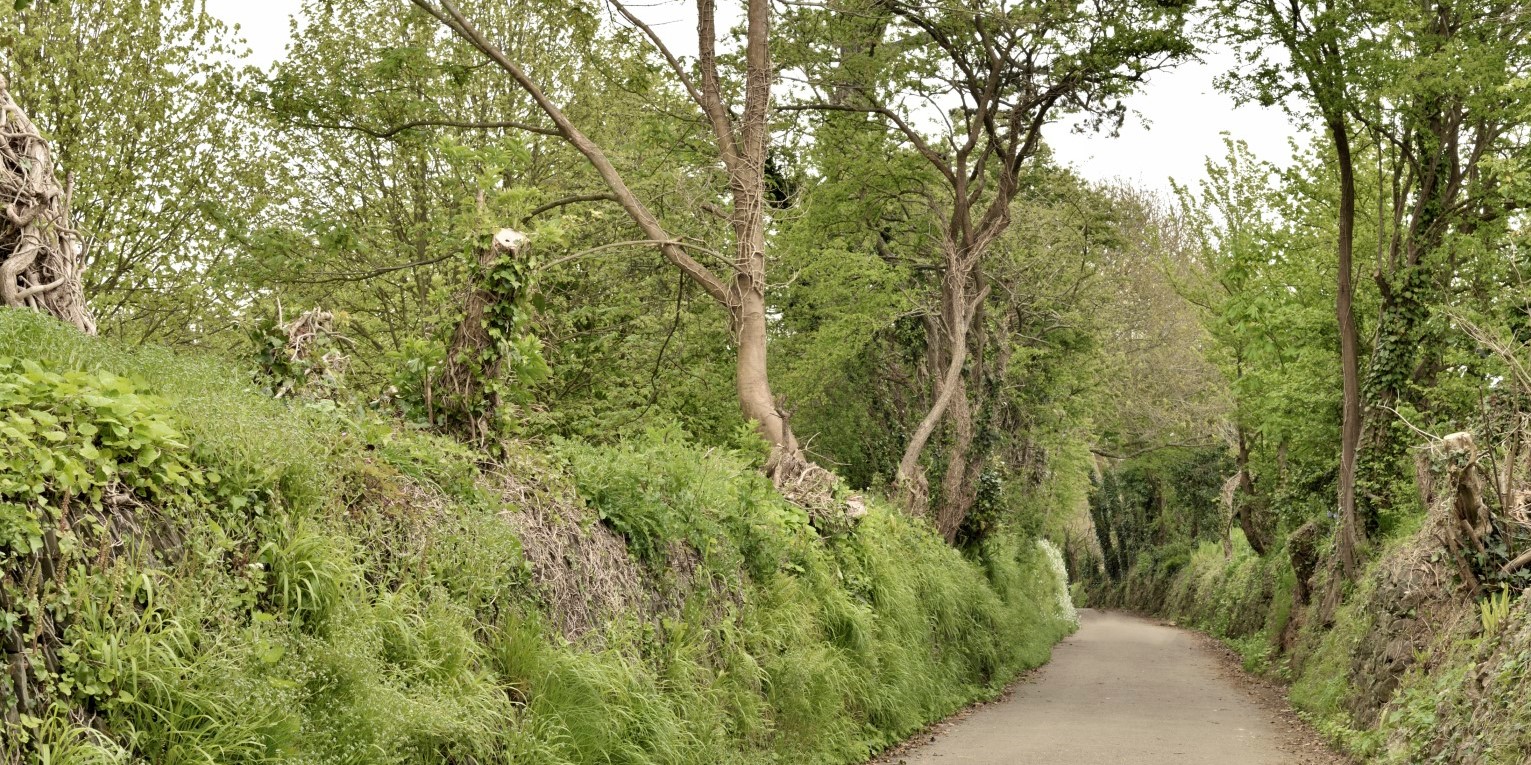
 The names of paths and how they were named are here. When the park’s construction began in 1930, Gilbert Lane and Venn Lane already existed as a farm track and an ancient thoroughfare respectively. The map survey of 1914 also shows a path along the southern part of the Valley which appears to end near… Read more: Paths are made
- Allotments
 The original plans for the park made no provision for allotments although they already existed in three places. In the southern area of Exhibition Fields, behind Upper Knollys Terrace, they lay either side of the informal path that ran between Pennycomequick and Home Park. In the north of the park, there were allotments in the… Read more: Allotments
- The first tennis courts
 When Mawson designed Central Park in 1928, four grass courts already existed on the southern side of the Home Park stadium where the Home Park Tennis Club played, and there was a grass court at Higher Swilly Farm which appears to have been made by the Cundy family before they left in 1927. Unlike the… Read more: The first tennis courts
- The pools at Milehouse Corner
 Two pools were made in 1931, one for paddling and the other for model boating. Next to them was a stone-built park shelter and toilets on one side and on the other was the children’s playground by Milehouse corner. The Mayor, Mr J Clifford Tozer, launched a boat to open the pools as part of… Read more: The pools at Milehouse Corner
- The playground at Milehouse corner
 This playground was just inside the main park entrance on Milehouse Corner at the junction of Alma Road and Outland Road. It was constructed with the park and the programme for the opening ceremony on 29th July 1931 included this description: “On the eastern (sic) side of the paddling pools is the equipped playground which… Read more: The playground at Milehouse corner
- 1931 Opening Ceremony
 By the time the park was officially opened on 29th July 1931, three sections had been completed; the children’s playground, tennis courts, and bowling greens. Mr Clifford Tozer, Mayor of Plymouth led the opening event, which accounts say was attended by a crowd of thousands. The programme outlines the sequence of events, which began at… Read more: 1931 Opening Ceremony
- An aeroplane lands
 Soon after the park opened the area was used for an unscheduled landing. The incident was reported in local and national newspapers. These images are from The Western Morning News and The Daily Mirror Tuesday 30th August 1932.
- The last tenants of Lower Venn
 Venn Lane crosses the Pounds Park area of Central Park between Outland Road opposite Devonport High School for Girls and Peverell Park Road at its junction with Burleigh Park Road. Venn derives from ‘fen’ meaning low or rough ground. Only in 1981, 50 years after the park opened, was the lane closed to motor traffic. Sixty… Read more: The last tenants of Lower Venn
- The first bowling pavilion
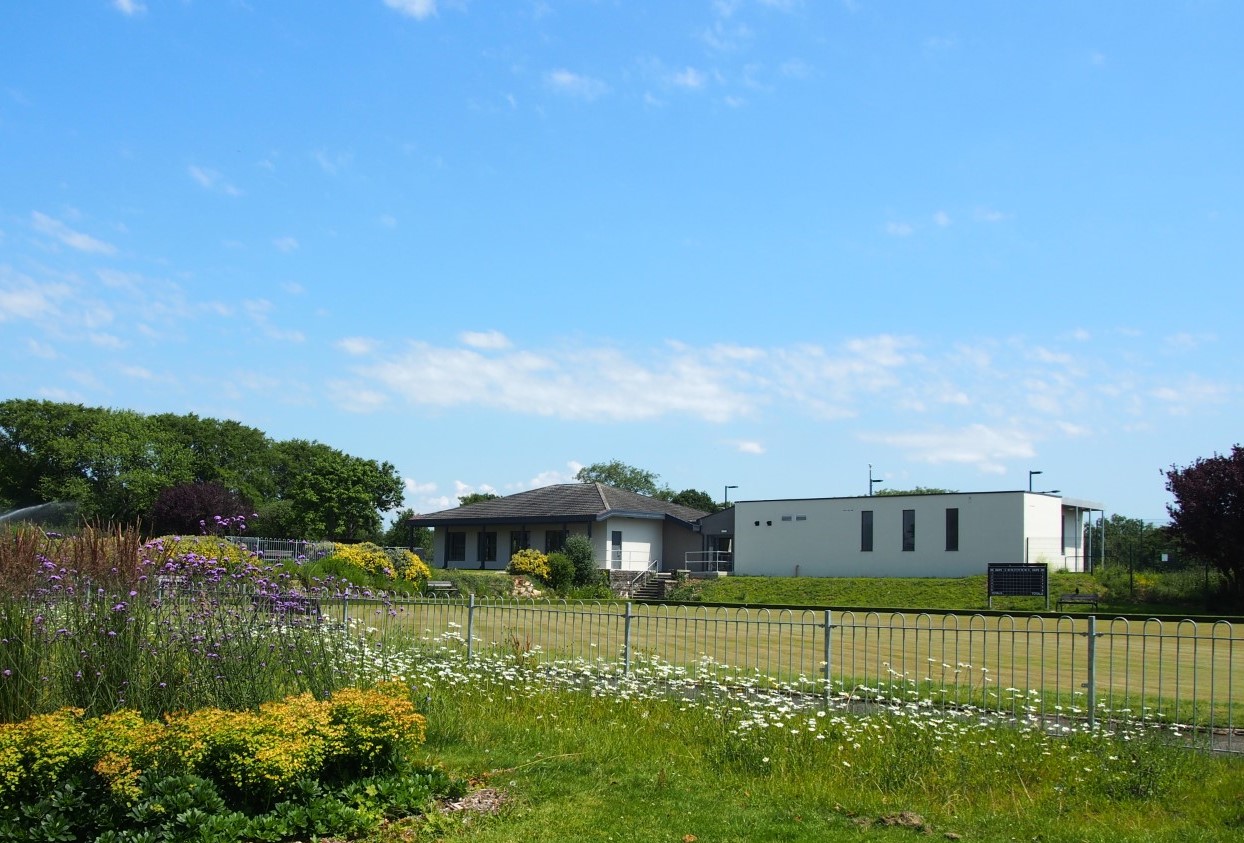
 For four seasons after the first match in 1932, bowlers would not have had a pavilion in which to change or entertain visiting teams so the one built in 1935 must have been a welcome improvement. Little is known about this pavilion except that it was quite small (about 40 ft x 20 ft) and… Read more: The first bowling pavilion
- Ponds and streams
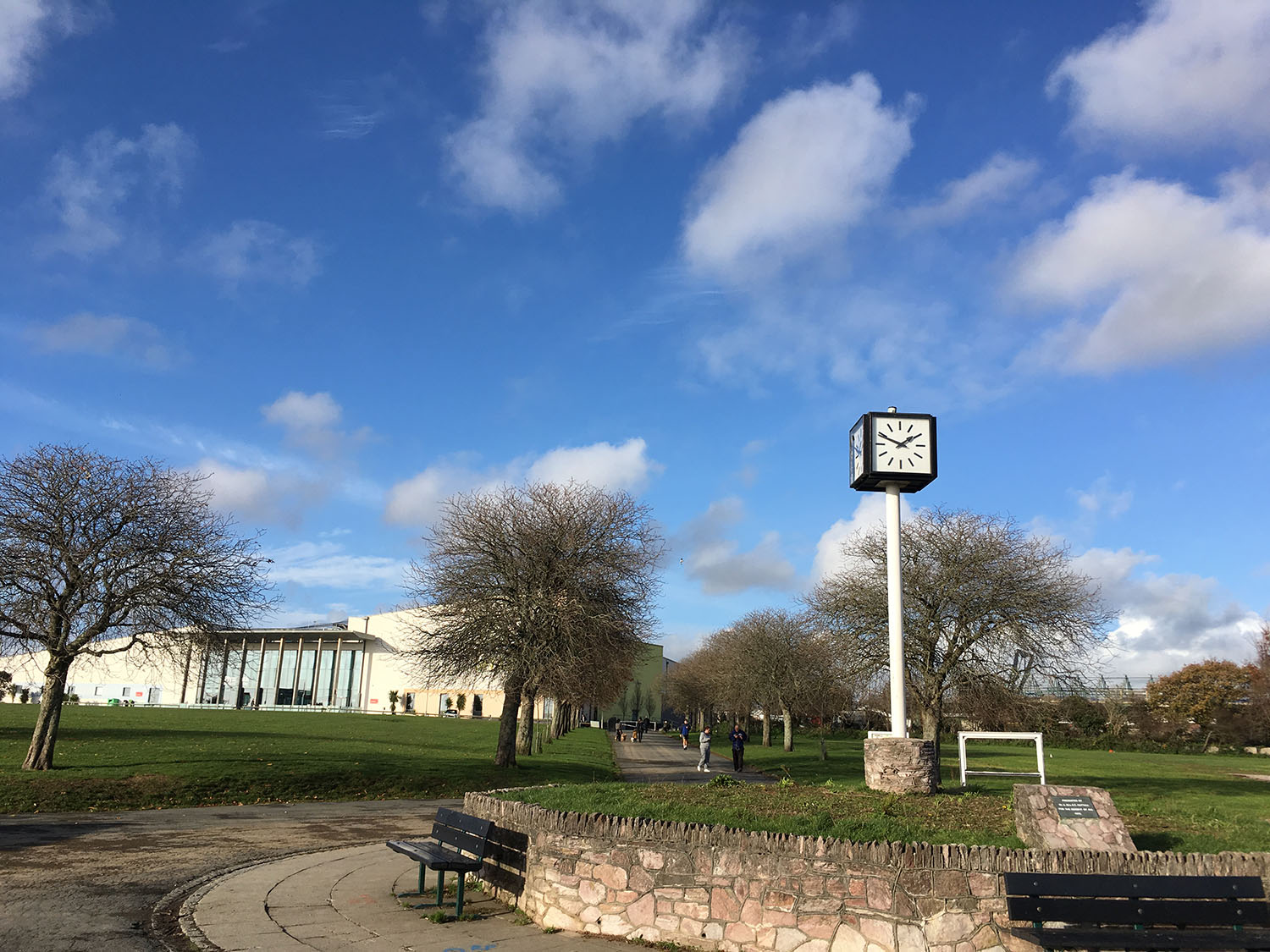
 When Mawson designed the park in 1928, he made the following observations about the area’s water resources and how they could be used to provide amenity. The small water course which is mentioned near the social centre is shown on a 1933 map rising near the present clock tower and flowing westwards towards Alma Road.… Read more: Ponds and streams
- Park entrances
 There are many ways into Central Park but only six places where the entrances have been formalised with gate pillars. Five are still accessible and are located as follows: Pounds House entrance. On Outland Road near the junction with Peverell Park Road. Barn Park entrance. At the lower end of Barn Park Road. Ford Park… Read more: Park entrances
- 1937 Tree Planting, Coronation Avenue
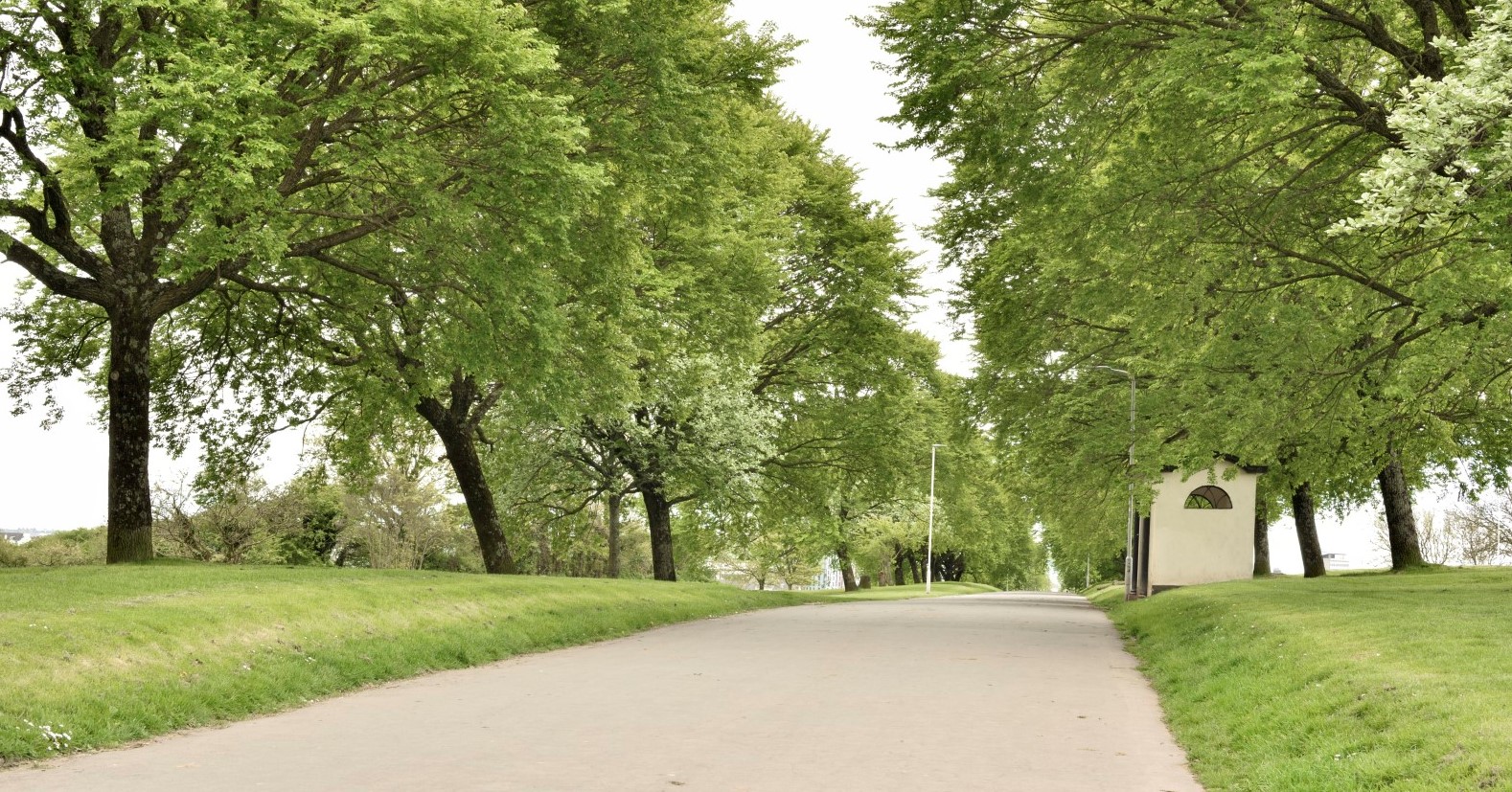
 Coronation Avenue takes its name from the trees planted along it in 1937 to celebrate the coronation of King George VI. Children from schools across Plymouth were involved and the accounts here are from Joan Hassall and Ruth Heaton. Joan recalls how the children were divided into groups of four and supervised by a council… Read more: 1937 Tree Planting, Coronation Avenue
- Cricket pavilion
 The first cricket pavilion was a small wooden one costing £365. It was officially opened by the Deputy Lord Mayor, Walter Littlejohn, during the match against United Services on 11 July 1925. However, the facility was inadequate in many ways and, without water or heating, it was unable to host representative cricket. Plans for a… Read more: Cricket pavilion